

يلعب الطفل بحلمة الرضاعة بدلًا من الرضاعة: ما الذي يجب على الآباء والأمهات في قطر معرفته؟
هل يلعب طفلك بحلمة الرضاعة بدلًا من الرضاعة؟ تعرّف على الأسباب الشائعة وراء هذا السلوك والطرق البسيطة التي تساعد على تحسين روتين الرضاعة في المنزل.
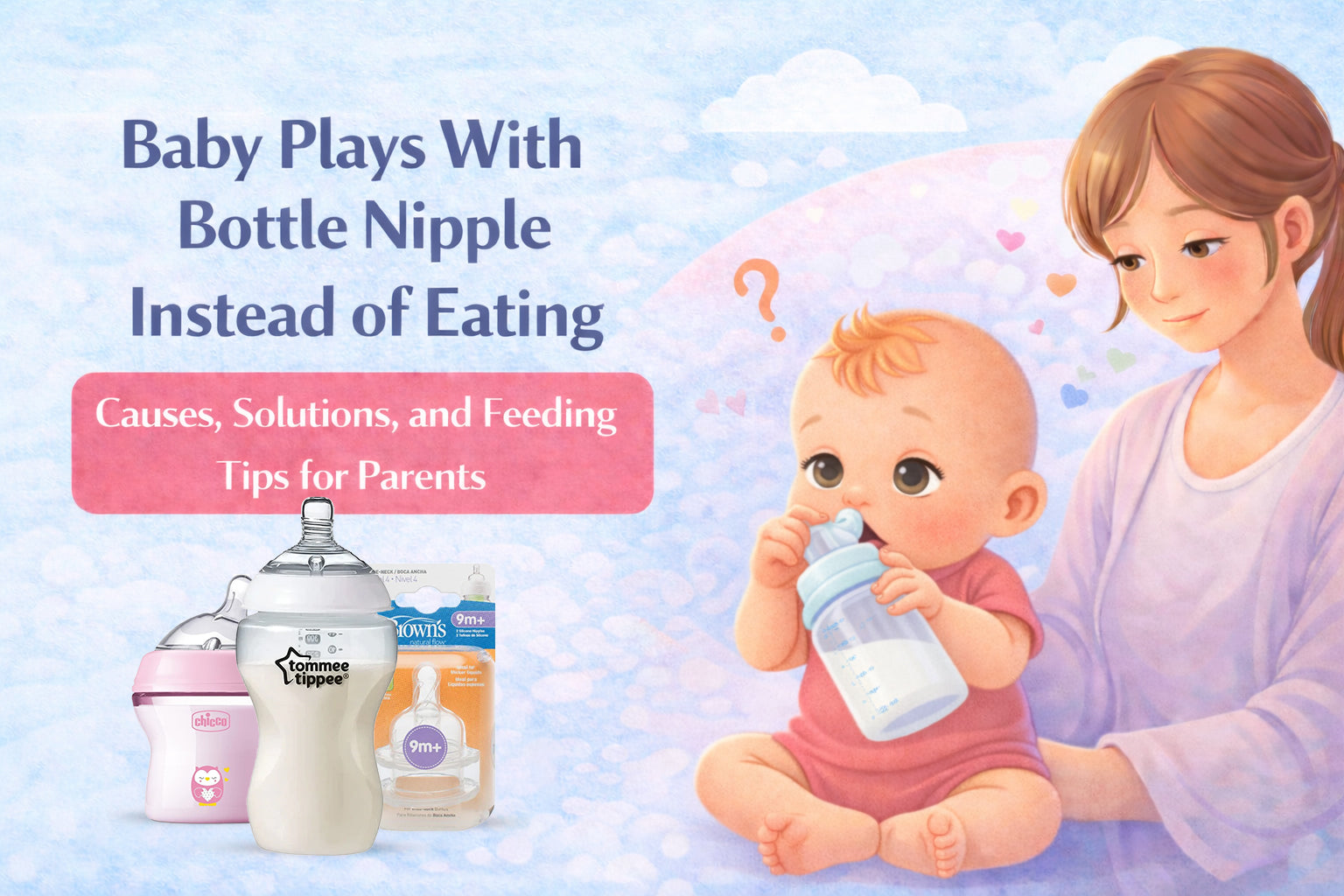
يلاحظ العديد من الآباء والأمهات لحظة أثناء الرضاعة يتوقف فيها طفلهم عن شرب الحليب ويبدأ باللعب بحلمة الرضاعة. قد يبدو الأمر محيرًا، خاصة عندما تكونين قلقة بشأن كمية الحليب التي يتناولها طفلك. هذا السلوك شائع جدًا، وفي معظم الحالات يُعد جزءًا من التطور الطبيعي للطفل.
فهم سبب حدوث ذلك يمكن أن يساعدك على التعامل معه بهدوء ودعم عادات الرضاعة الصحية في المنزل.
لماذا يلعب الأطفال بحلمة الرضاعة
يستكشف الأطفال العالم من خلال أفواههم. وعندما تتباطأ الرضاعة، غالبًا ما تصبح الحلمة لعبة بدلًا من أن تكون أداة للرضاعة.
الاستكشاف والفضول
مع نمو الأطفال، يزداد إدراكهم لما حولهم. ويشعرون بأن ملمس الحلمة وشكلها أمران مثيران للاهتمام. لذلك قد يقوم الطفل بمضغها أو شدها أو تحريكها بدلًا من استخدامها للرضاعة.
الانزعاج الناتج عن التسنين
عندما تكون اللثة مؤلمة، قد يوفر الضغط الناتج عن الحلمة شعورًا بالراحة. وقد تتوقف الرضاعة مؤقتًا بينما يبحث الطفل عن هذا الشعور المريح.
الانزعاج من تدفق الحليب
إذا كان تدفق الحليب سريعًا جدًا أو بطيئًا جدًا، فقد يفقد الطفل اهتمامه بالشرب. وتبقى الزجاجة في فمه، لكن عملية الرضاعة تتعطل.
التشتت أثناء الرضاعة
يتشتت انتباه الأطفال الأكبر سنًا بسهولة بسبب الأصوات أو الحركة أو الأشخاص الموجودين بالقرب منهم. وتصبح الرضاعة أقل أهمية بالنسبة لهم في تلك اللحظة.
هل هذا السلوك طبيعي؟
نعم. في معظم الحالات، تمر هذه المرحلة من تلقاء نفسها. وغالبًا ما يعود الأطفال إلى الرضاعة الطبيعية بمجرد تحسين البيئة المحيطة أو توقيت الرضاعة أو إعدادات الزجاجة.
عادةً لا يكون هناك ما يدعو للقلق إلا إذا تباطأت زيادة الوزن أو كان الطفل يتخطى الرضعات باستمرار.
كيفية التعامل بلطف أثناء الرضاعة
الاستجابة الهادئة هي الأفضل. ويجب ألا تتحول الرضاعة إلى صراع.
تهيئة مكان هادئ للرضاعة
يمكن أن يساعد تقليل الضوضاء والحركة الأطفال على التركيز. كما أن الرضاعة في نفس المكان الهادئ في كل مرة تساعد على بناء روتين ثابت.
التأكد من ملاءمة الزجاجة والحلمة
مع نمو الأطفال، تتغير احتياجاتهم المتعلقة بسرعة تدفق الحليب من الحلمة. واستخدام حلمات مناسبة لعمر الطفل قد يساعد في تقليل الإحباط.
يمكنك استكشاف الخيارات المناسبة ضمن مجموعة زجاجات الرضاعة والحلمات.
تقديم فترات استراحة دون ضغط
إذا توقف طفلك عن الرضاعة، فقد تساعده استراحة قصيرة. ويمكن استئناف الرضاعة عندما يعود اهتمامه بها.
متى قد يشير اللعب بالحلمة إلى الاستعداد للتغيير؟
في بعض الأحيان، يكون اللعب بالحلمة علامة على تطور مهارات الرضاعة لدى الطفل.
قد يكون الطفل مستعدًا لتجربة طرق جديدة للتغذية، مثل الإمساك بالكوب أو استكشاف أدوات تغذية مختلفة.
يمكن أن يساعد تقديم خيارات بسيطة من مجموعة إكسسوارات التغذية في دعم هذه المرحلة بلطف.
أخطاء شائعة يجب تجنبها
- إجبار الطفل على أخذ الزجاجة في فمه
- إطالة مدة الرضاعة للتعويض
- إظهار الانزعاج أو الإحباط أثناء الرضاعة
قد يؤدي التوتر أثناء الرضاعة إلى زيادة رفض الطفل لها مع مرور الوقت.
أهمية وضعية الرضاعة والدعم المناسب
تساعد الوضعية المريحة الأطفال على التركيز أثناء الرضاعة. كما أن الدعم الصحيح للرأس والجسم قد يقلل من التشتت والإرهاق.
يجد العديد من الآباء والأمهات أن المقاعد الداعمة ووسائد الرضاعة تحسن تجربة الرضاعة.
قد تجد خيارات مفيدة في قسم وسادة الرضاعة.
متى يجب المتابعة بشكل أدق؟
إذا كان اللعب بالحلمة مصحوبًا بضعف زيادة الوزن أو تخطي الرضعات بشكل متكرر أو رفض الرضاعة بشكل واضح، فقد تكون هناك حاجة إلى مزيد من المتابعة.
يمكن أن يساعد الاحتفاظ بسجل بسيط للرضاعة في تحديد الأنماط المتكررة.
روتينات الرضاعة المناسبة في قطر
قد تؤثر جداول الأسرة المزدحمة، والخروج من المنزل، وارتفاع درجات الحرارة على تركيز الطفل أثناء الرضاعة. وغالبًا ما تكون الرضعات الهادئة داخل المنزل خلال الأوقات الأكثر اعتدالًا من اليوم هي الأفضل.
الاستمرارية أهم من المثالية.
الأسئلة الشائعة: الطفل يلعب بحلمة الرضاعة
هل من السيئ أن يمضغ طفلي حلمة الرضاعة؟
لا. فالمضغ العرضي شائع، خاصة خلال فترة التسنين.
هل يجب أن أغيّر مقاس الحلمة؟
إذا بدا أن الإحباط مرتبط بتدفق الحليب، فقد يساعد تعديل مقاس الحلمة.
هل يمكن أن يسبب التشتت مشكلات في الرضاعة؟
نعم. يتشتت انتباه الأطفال بسهولة. والبيئة الهادئة تدعم الرضاعة بشكل أفضل.
متى يجب أن أقلق بشأن كمية الحليب التي يتناولها طفلي؟
يكون القلق مبررًا فقط إذا تباطأت زيادة الوزن أو كان الطفل يرفض الرضعات باستمرار.