

كيفية تنظيف مضخة الثدي: دليل خطوة بخطوة للوالدين
يُعد الحفاظ على نظافة مضخة الثدي جزءًا مهمًا من روتين الرضاعة الطبيعية اليومي. يشرح هذا الدليل كيفية تنظيف الأنواع المختلفة لمضخات الثدي، ومتى يجب تعقيمها، وما هي الملحقات التي يمكن أن تساعد في تبسيط التنظيف.
لماذا يعد تنظيف مضخة الثدي أمرًا مهمًا
يعد الحفاظ على نظافة مضخة الثدي إحدى أبسط الطرق للعناية بمعدات الرضاعة الطبيعية ومساعدتها على الأداء على النحو المنشود. نظرًا لأن العديد من أجزاء المضخة تتصل مباشرة بحليب الأم، فإن التنظيف المنتظم يساعد على إزالة بقايا الحليب ويحافظ على جاهزية معداتك لجلسة الضخ التالية. سواء كنت تستخدم مضخة ثدي يدوية، كهربائية، أو قابلة للارتداء، فإن تطوير روتين تنظيف ثابت يمكن أن يجعل الضخ اليومي أسهل ويساعد على إطالة عمر أجزاء المضخة.
يتساءل العديد من الآباء الجدد عن عدد مرات تنظيف مضخة الثدي أو ما إذا كان كل جزء يحتاج إلى نفس مستوى العناية. تعتمد الإجابة على تعليمات الشركة المصنعة، ولكن بشكل عام، يجب تنظيف أي مكون يتصل بحليب الأم بعد كل استخدام. اتباع الإرشادات المقدمة من الشركة المصنعة لمضختك هو دائمًا أفضل نقطة للبدء.
إذا قمت مؤخرًا بشراء مضخة ثدي أو تخطط لشرائها، فمن المفيد اختيار نموذج بأجزاء سهلة التنظيف. في ماما آب، ستجد مجموعة من مضخات الثدي عالية الجودة وأساسيات الرضاعة الطبيعية المصممة لجعل الضخ والتنظيف أكثر راحة للآباء المشغولين.
قبل أن تبدأ التنظيف
قبل تنظيف مضخة الثدي، اغسل يديك جيدًا بالماء والصابون وتأكد من أن منطقة التنظيف نظيفة. افصل المضخة بعناية عن مصدر الطاقة إذا كنت تستخدم نموذجًا كهربائيًا، ثم افصل جميع الأجزاء القابلة للإزالة وفقًا لتعليمات الشركة المصنعة.
ليس كل جزء من مضخة الثدي يجب غسله. يجب ألا تُغمر المكونات مثل المحركات، وحدات الشحن، الأسلاك الكهربائية، وحزم البطاريات في الماء أبدًا ما لم تذكر الشركة المصنعة تحديدًا أنها مقاومة للماء. بدلاً من ذلك، امسح هذه الأسطح الخارجية بقطعة قماش نظيفة ومبللة قليلاً إذا لزم الأمر.
يمكن أن يساعد الاحتفاظ بفرشاة تنظيف مخصصة ورف تجفيف لمعدات تغذية الأطفال في الحفاظ على ملحقاتك منظمة وجاهزة للاستخدام التالي.
كيفية تنظيف مضخة الثدي خطوة بخطوة
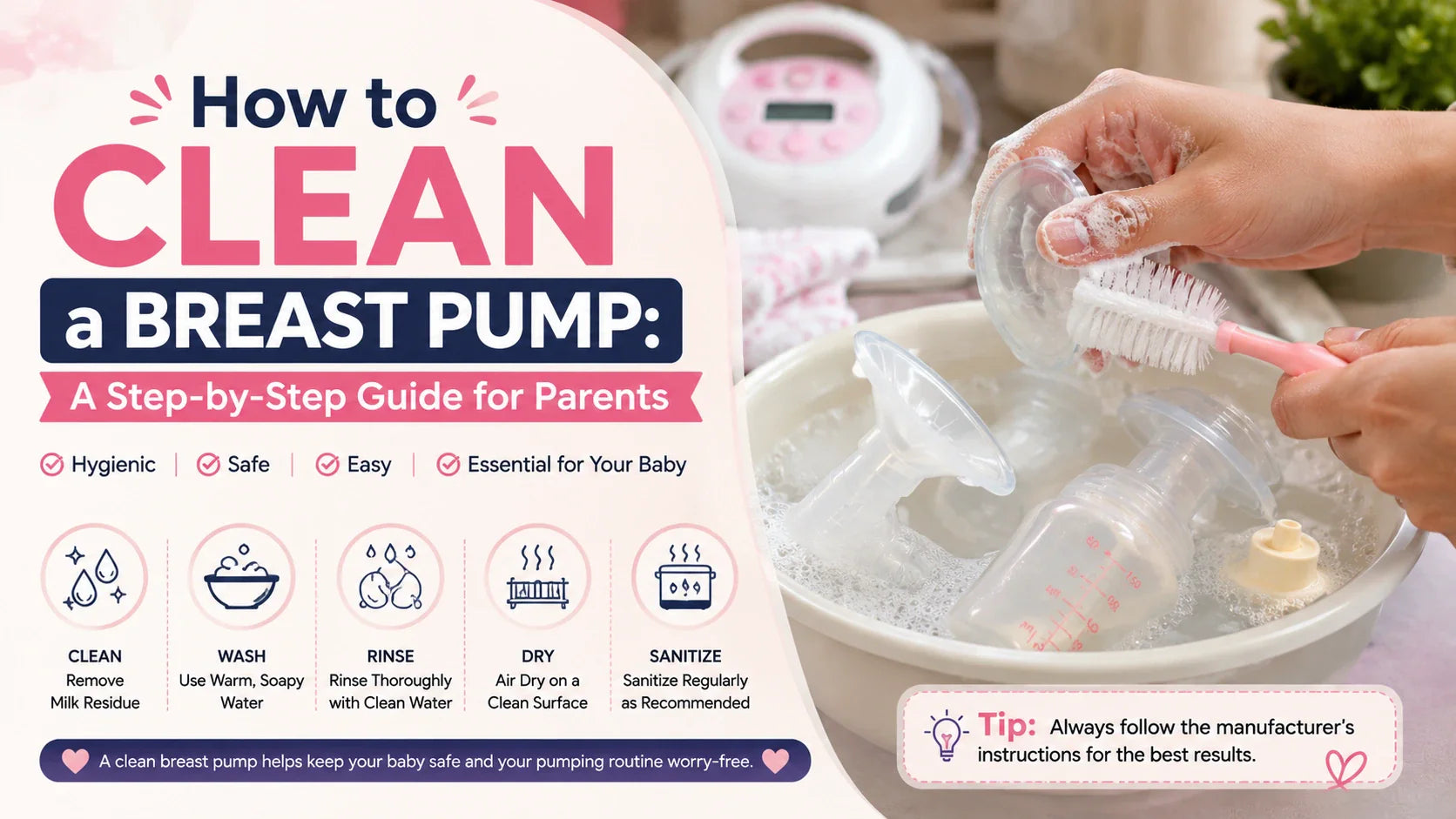
الخطوة ١: فك المضخة
بعد كل جلسة ضخ، فك بعناية جميع الأجزاء القابلة للإزالة التي تتصل بحليب الأم. اعتمادًا على مضختك، قد يشمل ذلك الزجاجات، دروع الثدي (الفلنجات)، الصمامات، الأغشية، الموصلات، وأكواب التجميع. فصل كل مكون يسمح بتنظيف كل سطح بشكل صحيح.
الخطوة ٢: شطف الأجزاء
اشطف كل جزء قابل للإزالة تحت الماء الجاري لإزالة أي حليب متبقي. هذه الخطوة البسيطة تساعد على منع بقايا الحليب من الجفاف على أجزاء المضخة قبل الغسيل.
الخطوة ٣: الغسل بالماي الدافي وصابون أطباق خفيف
اغسل كل جزء في ماء دافئ باستخدام سائل غسيل أطباق خفيف. استخدم فرشاة تنظيف ناعمة مخصصة فقط لمعدات تغذية الأطفال لتنظيف الزوايا، الصمامات، والمكونات الأصغر برفق. تجنب الفراشي الكاشطة التي قد تتلف أجزاء السيليكون أو البلاستيك الرقيقة.
الخطوة ٤: الشطف بشكل جيد
بعد الغسيل، اشطف كل مكون جيدًا تحت الماء الجاري النظيف لإزالة أي صابون متبقي. قد يؤثر المنظف المتبقي على الاستخدام التالي، لذا يستحق الأمر قضاء بعض الوقت الإضافي خلال هذه الخطوة.
الخطوة ٥: التجفيف بالهوا بالكامل
ضع جميع الأجزاء النظيفة على رف تجفيف نظيف أو منشفة نظيفة واتركها تجف بالهواء تمامًا قبل إعادة تجميع المضخة. تجنب التجفيف بالمناشف المطبخية القابلة لإعادة الاستخدام، حيث قد تنقل الوبر أو الجزيئات الأخرى إلى المعدات التي تم تنظيفها حديثًا.
كيفية تنظيف أنواع مختلفة من مضخات الثدي
مضخات الثدي اليدوية
عادةً ما تحتوي مضخات الثدي اليدوية على عدد أقل من المكونات الفردية، مما يجعلها سريعة وسهلة التنظيف. اغسل كل جزء قابل للإزالة وفقًا لتعليمات الشركة المصنعة واترك كل شيء يجف تمامًا قبل التخزين.
مضخات الثدي الكهربائية
اغسل فقط الأجزاء القابلة للإزالة التي تتصل بحليب الثدي. لا تغمر أبدًا وحدة المحرك، كابل الشحن، أو حزمة البطارية في الماء ما لم تذكر الشركة المصنعة تحديدًا أن هذه الأجزاء قابلة للغسل.
مضخات الثدي القابلة للارتداء
تم تصميم مضخات الثدي القابلة للارتداء بأكواب تجميع مدمجة ومكونات سيليكون متعددة. توخَ الحذر الإضافي عند تنظيف الأجزاء الصغيرة مثل الصمامات والأغشية، وأعد تجميعها دائمًا وفقًا لتعليمات الشركة المصنعة للحفاظ على الأداء الصحيح.
ملحقات التنظيف التي يمكن أن تجعل المهمة أسهل
يمكن أن يجعل وجود الملحقات المناسبة في متناول اليد روتين التنظيف اليومي أبسط بكثير. فرش تنظيف الزجاجات، رفوف التجفيف، أجهزة التعقيم، صمامات الاستبدال، أكياس تخزين الحليب، وزجاجات التجميع الإضافية كلها إضافات مفيدة لأساسيات الرضاعة الطبيعية الخاصة بك. يحتفظ العديد من الآباء أيضًا بأجزاء مضخة احتياطية في متناول اليد حتى يتمكنوا من الاستمرار في الضخ بينما تجف مجموعة أخرى.
متى يجب تعقيم مضخة الثدي؟
التنظيف والتعقيم ليسا متماثلين. التنظيف يزيل بقايا الحليب من أجزاء المضخة، بينما يوفر التعقيم مستوى إضافيًا من العناية باتباع تعليمات الشركة المصنعة. توصي العديد من العلامات التجارية لمضخات الثدي بتعقيم الأجزاء القابلة للإزالة قبل الاستخدام الأول ثم حسب الإرشادات في دليل المنتج.
يمكنك تعقيم أجزاء المضخة المتوافقة باستخدام معقم بالبخار، طريقة الغليان (إذا وافقت عليها الشركة المصنعة)، أكياس التعقيم بالميكروويف، أو دورة تعقيم غسالة الأطباق للمكونات الآمنة لغسالة الأطباق. تحقق دائمًا من دليل تعليمات مضخة الثدي الخاصة بك قبل استخدام أي طريقة تعقيم، حيث ليست كل المواد مناسبة لدرجات الحرارة العالية.
إذا كنت تبحث عن منتجات لتبسيط روتينك، تقدم MamaApp معقمات الزجاجات وملحقات الرضاعة الطبيعية التي يمكن أن تساعد في جعل التنظيف والتعقيم اليومي أكثر راحة.
أخطاء شائعة في تنظيف مضخة الثدي يجب تجنبها
حتى مع أفضل النوايا، يمكن أن تؤثر الأخطاء الصغيرة أثناء التنظيف على حالة مضخة الثدي بمرور الوقت. يساعد اتباع تعليمات العناية من الشركة المصنعة في الحفاظ على عمل مضختك بشكل صحيح ويمكن أن يطيل عمر مكوناتها.
- ترك بقايا الحليب على أجزاء المضخة لفترات طويلة قبل الغسيل.
- استخدام فراشي كاشطة أو منتجات تنظيف قاسية قد تتلف أجزاء السيليكون.
- وضع المكونات الكهربائية أو وحدات المحرك في الماء.
- إعادة تجميع المضخة قبل أن تجف جميع الأجزاء تمامًا.
- استخدام صمامات وأغشية مهترئة أو تالفة دون استبدالها.
- تجاهل تعليمات التنظيف المقدمة من الشركة المصنعة.
بضع دقائق إضافية تقضيها في تنظيف مضختك بعد كل استخدام يمكن أن تجعل روتينك اليومي أسهل بكثير وتساعد في الحفاظ على معداتك في حالة جيدة.
كيفية تخزين مضخة الثدي بعد التنظيف
بمجرد أن يجف كل جزء قابل للإزالة تمامًا، أعد تجميع مضخة الثدي وفقًا لتعليمات الشركة المصنعة أو خزن الأجزاء في حاوية نظيفة وجافة حتى الاستخدام التالي. يساعد الحفاظ على مضختك في منطقة خالية من الغبار على منع التلوث غير الضروري ويجعلها جاهزة متى احتجت إليها.
إذا كنت تسافر كثيرًا أو تضخ الحليب أثناء العمل، ففكر في الاحتفاظ بحقيبة تخزين مخصصة لمضخة الثدي وملحقاتها. يجد العديد من الآباء أيضًا أنه من المفيد حمل صمامات احتياطية، أغشية، أكياس تخزين الحليب، وزجاجات حتى يكونوا مستعدين طوال اليوم.
أساسيات الرضاعة الطبيعية التي تكمل مضخة الثدي الخاصة بك
مضخة الثدي ليست سوى جزء واحد من روتين الرضاعة الطبيعية المريح. يمكن أن توفر الملحقات المناسبة الوقت وتجعل التغذية اليومية أكثر تنظيمًا. اعتمادًا على احتياجاتك، قد تجد هذه المنتجات مفيدة أيضًا:
- أكياس تخزين الحليب
- زجاجات الأطفال
- معقمات الزجاجات
- حمالات الصدر للرضاعة
- فوط الثدي
- ملحقات الرضاعة الطبيعية
في MamaApp، ستجد مجموعة مختارة بعناية من منتجات الرضاعة الطبيعية من علامات تجارية موثوقة، مما يسهل بناء إعداد تغذية كامل في مكان واحد.
الخلاصة
الحفاظ على نظافة مضخة الثدي لا يجب أن يكون معقدًا. باتباع تعليمات التنظيف من الشركة المصنعة بعد كل استخدام، وترك جميع الأجزاء تجف تمامًا، وتعقيم المكونات المتوافقة عند التوصية بذلك، يمكنك الحفاظ على مضختك جاهزة لجلسة الضخ التالية. يساعد تطوير روتين تنظيف بسيط أيضًا على توفير الوقت ويجعل معدات الرضاعة الطبيعية أسهل في الصيانة.
سواء كنت تستخدم مضخة ثدي يدوية، كهربائية، أو قابلة للارتداء، فإن العناية المنتظمة تساعد على حماية استثمارك وتحافظ على روتين التغذية الخاص بك منظمًا. استكشف مجموعة MamaApp من مضخات الثدي، معقمات الزجاجات، أكياس تخزين الحليب، وغيرها من أساسيات الرضاعة الطبيعية لتجد كل ما تحتاجه لتجربة ضخ مريحة.
الأسئلة المتكررة
هل أحتاج إلى تنظيف مضخة الثدي بعد كل استخدام؟
نعم. يجب عمومًا تنظيف أي أجزاء قابلة للإزالة من المضخة التي تتصل بحليب الثدي بعد كل استخدام، باتباع تعليمات الشركة المصنعة.
هل يمكنني غسل جميع أجزاء مضخة الثدي بالماء؟
لا. اغسل فقط الأجزاء القابلة للإزالة التي تحددها الشركة المصنعة على أنها قابلة للغسل. يجب ألا تُغمر وحدات المحرك، كابلات الشحن، والمكونات الكهربائية في الماء أبدًا ما لم يذكر ذلك تحديدًا في دليل المنتج.
كم مرة يجب أن أعقم مضخة الثدي؟
توصي العديد من الشركات المصنعة بتعقيم أجزاء المضخة المتوافقة قبل الاستخدام الأول ثم كما هو موضح في تعليمات العناية الخاصة بها. اتبع دائمًا الإرشادات المقدمة مع نموذج مضخة الثدي الخاص بك.
هل يمكنني وضع أجزاء مضخة الثدي في غسالة الأطباق؟
بعض أجزاء مضخة الثدي آمنة لغسالة الأطباق، بينما البعض الآخر ليس كذلك. تحقق من تعليمات الشركة المصنعة قبل وضع أي مكون في غسالة الأطباق أو استخدام دورة التعقيم.
متى يجب أن أستبدل أجزاء مضخة الثدي؟
إذا أصبحت الصمامات، الأغشية، الأنابيب، أو المكونات القابلة للإزالة الأخرى مهترئة، تالفة، أو لم تعد تعمل كما هو متوقع، ارجع إلى توصيات الشركة المصنعة للاستبدال واستبدلها بأجزاء متوافقة.
أين يمكنني شراء مضخات الثدي وملحقات الرضاعة الطبيعية في قطر؟
يمكنك تسوق مجموعة واسعة من مضخات الثدي، أكياس تخزين الحليب، معقمات الزجاجات، حمالات الصدر للرضاعة، زجاجات الأطفال، وغيرها من أساسيات الرضاعة الطبيعية عبر الإنترنت في MamaApp.co، مما يسهل العثور على كل ما تحتاجه في مكان واحد.