


قيء حديث الولادة بعد الرضاعة الطبيعية: الأسباب، ومتى يستدعي القلق، وما الذي ينبغي على الوالدين فعله
Worried about newborn vomiting after breastfeeding? Learn common causes, warning signs and practical steps parents can take.
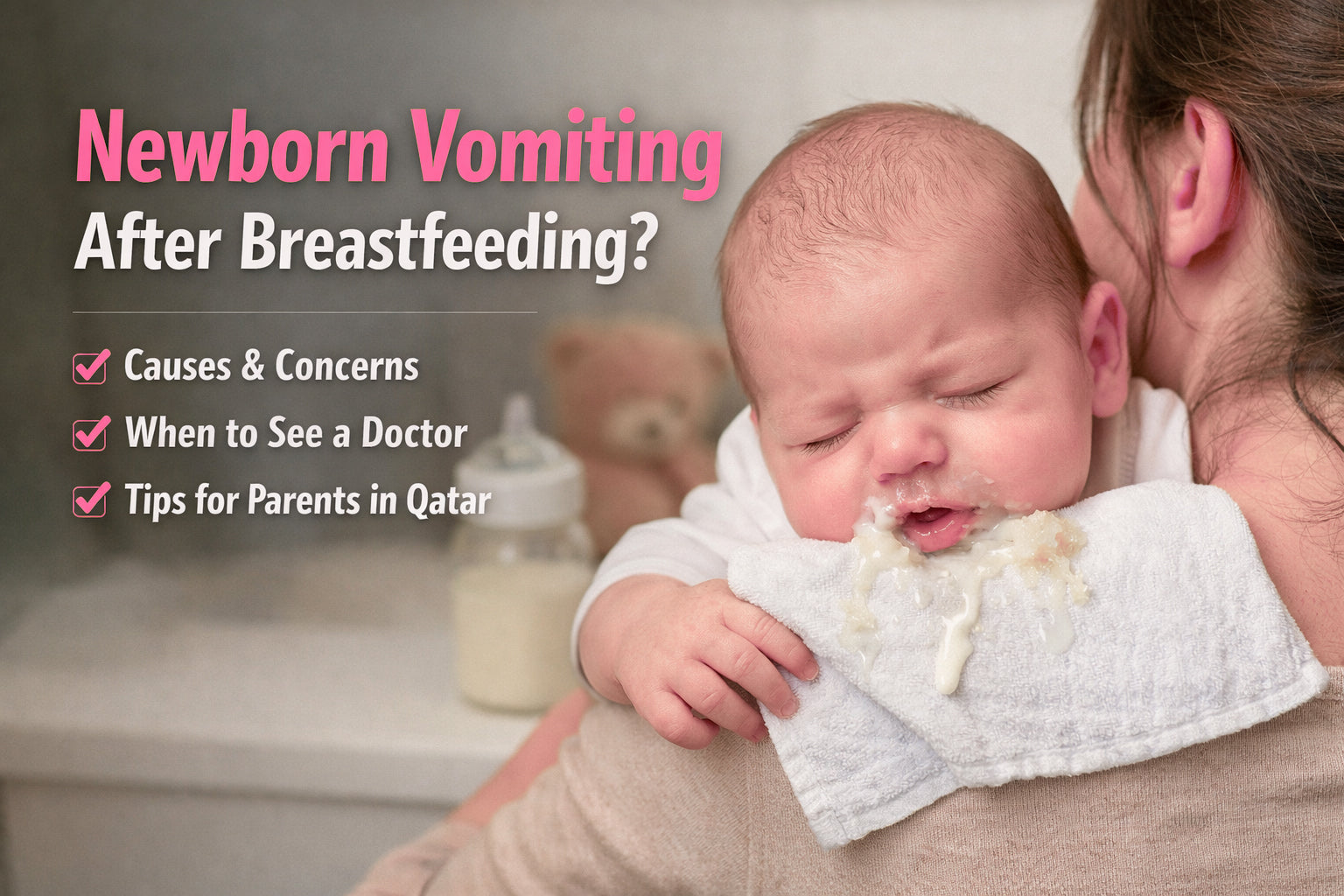
قد يكون رؤية طفلك حديث الولادة يتقيأ بعد الرضاعة الطبيعية أمرًا مقلقًا، خاصة للوالدين الجدد. وقد تجدين نفسك تتساءلين عما إذا كان ذلك طبيعيًا، أو ما إذا كان طفلك يحصل على كمية كافية من الحليب، أو إذا كان هناك مشكلة في عملية الهضم. والخبر السار هو أن قيء حديث الولادة بعد الرضاعة الطبيعية يُعد شائعًا وغير ضار في كثير من الحالات. ومع ذلك، توجد بعض الحالات التي قد تشير إلى مشكلة صحية تحتاج إلى اهتمام.
تم إعداد هذا الدليل الشامل لمساعدة الوالدين على فهم أسباب القيء لدى حديثي الولادة، وكيفية التمييز بين ارتجاع الحليب الطبيعي والقيء الذي يستدعي القلق، والخطوات العملية التي يمكن اتخاذها في المنزل. كما يتضمن إرشادات مخصصة للوالدين في قطر مع إمكانية الوصول إلى منتجات الرضاعة الطبيعية في قطر الموثوقة.
هل القيء بعد الرضاعة الطبيعية طبيعي لدى حديثي الولادة؟
نعم، يُعد القيء الخفيف أو ارتجاع الحليب بعد الرضاعة الطبيعية أمرًا شائعًا جدًا لدى حديثي الولادة. يولد الأطفال بجهاز هضمي غير مكتمل النضج، كما أن عضلات المعدة لديهم لا تزال في طور النمو. وهذا يجعل من السهل عودة الحليب إلى الأعلى، خاصة بعد الرضاعة.
في معظم الحالات، لا يكون هذا النوع من القيء مؤلمًا للطفل ولا يؤثر على نموه. فالعديد من الأطفال الأصحاء يرتجعون الحليب عدة مرات يوميًا ويستمرون في اكتساب الوزن بشكل طبيعي.
المهم هو تعلم كيفية التمييز بين ارتجاع الحليب الطبيعي والقيء الذي يتطلب رعاية طبية.
الفرق بين ارتجاع الحليب والقيء لدى حديثي الولادة
فهم الفرق بينهما يمكن أن يخفف الكثير من قلق الوالدين.
ارتجاع الحليب عادة:
- يخرج بلطف من الفم
- يحدث بعد الرضاعة بفترة قصيرة
- لا يسبب انزعاجًا أو بكاءً
- يكون بكميات صغيرة
أما القيء فيكون أكثر قوة وقد:
- يندفع من الفم بقوة
- يتكرر بشكل مستمر
- يصاحبه بكاء أو انزعاج
- يؤدي إلى مشاكل في الرضاعة أو اكتساب الوزن
إذا كان طفلك يبدو مرتاحًا ويستمر في الرضاعة بشكل جيد، فإن ارتجاع الحليب العرضي لا يدعو للقلق عادة.
الأسباب الشائعة لقيء حديث الولادة بعد الرضاعة الطبيعية
هناك عدة أسباب قد تؤدي إلى تقيؤ الطفل حديث الولادة بعد الرضاعة الطبيعية. ومعظمها يرتبط بالتطور الطبيعي للجهاز الهضمي.
الإفراط في الرضاعة
قد يرضع الأطفال الذين يعتمدون على الرضاعة الطبيعية بشكل متكرر للشعور بالراحة، مما قد يؤدي إلى تناول كمية من الحليب تفوق قدرة معدتهم. وعندما تمتلئ المعدة أكثر من اللازم، قد يعود الحليب إلى الأعلى.
ابتلاع الهواء أثناء الرضاعة
إذا ابتلع طفلك الهواء أثناء الرضاعة، فقد يسبب ذلك ضغطًا داخل المعدة يدفع الحليب إلى الخارج. ويمكن أن يساعد الالتقام الصحيح للثدي والتجشؤ المنتظم في تقليل هذه المشكلة.
عدم اكتمال نضج الجهاز الهضمي
لا يزال الجهاز الهضمي لحديثي الولادة يتعلم كيفية نقل الطعام بكفاءة. وقد يؤدي هذا النضج غير المكتمل إلى ارتجاع الحليب إلى المريء.
اندفاع الحليب السريع
تعاني بعض الأمهات من تدفق قوي للحليب، مما يجعل الطفل يبتلع الحليب بسرعة كبيرة. وقد يؤدي ذلك إلى السعال أو الاختناق الخفيف أو التقيؤ بعد الرضاعة.
الارتجاع المعدي المريئي
يُعد الارتجاع المعدي المريئي شائعًا لدى الرضع، وغالبًا ما يتحسن مع مرور الوقت. وفي معظم الحالات، لا يحتاج إلى علاج إلا إذا أثر على الرضاعة أو زيادة الوزن.
متى يصبح القيء بعد الرضاعة الطبيعية مصدر قلق؟
على الرغم من أن معظم الحالات غير خطيرة، إلا أن هناك مواقف لا ينبغي تجاهلها.
اطلبي المشورة الطبية إذا كان طفلك:
- يتقيأ بقوة بعد كل رضعة
- يتقيأ سائلًا أخضر أو أصفر أو يحتوي على دم
- لا يكتسب الوزن بشكل مناسب
- يظهر عليه علامات الجفاف
- يشعر بالنعاس الشديد أو الانزعاج غير المعتاد
- يعاني من الحمى إلى جانب القيء
قد يشير القيء المستمر إلى حالات مثل عدم تحمل بروتين الحليب أو العدوى أو انسداد الجهاز الهضمي، ويجب دائمًا تقييمه من قبل مختص في الرعاية الصحية.
كيفية تقليل القيء بعد الرضاعة الطبيعية
يمكن لبعض التعديلات البسيطة في روتين الرضاعة أن تقلل بشكل كبير من نوبات القيء.
التأكد من الالتقام الصحيح للثدي
يساعد الالتقام العميق والصحيح على تقليل ابتلاع الهواء ويسمح بتدفق الحليب بسلاسة أكبر. وإذا كنت غير متأكدة من طريقة رضاعة طفلك، ففكري في استشارة أخصائي رضاعة طبيعية.
مساعدة الطفل على التجشؤ بانتظام
يساعد التجشؤ على إخراج الهواء المحبوس. حاولي مساعدة طفلك على التجشؤ أثناء الرضاعة وبعدها.
إبقاء الطفل في وضعية مستقيمة بعد الرضاعة
حمل الطفل في وضعية مستقيمة لمدة تتراوح بين ٢٠ و٣٠ دقيقة بعد الرضاعة يساعد الجاذبية على إبقاء الحليب داخل المعدة.
الرضاعة في بيئة هادئة
تساعد البيئة الهادئة والمريحة الأطفال على الرضاعة ببطء وكفاءة أكبر، مما يقلل من ابتلاع الهواء.
تعديل وضعيات الرضاعة
يمكن أن تساعد وضعيات الرضاعة المائلة للخلف في التحكم في تدفق الحليب السريع وتقليل القيء.
هل يؤثر القيء على وزن الطفل الذي يرضع طبيعيًا؟
في معظم الحالات لا. فالأطفال الذين يرتجعون الحليب ولكنهم يستمرون في اكتساب الوزن وإخراج الحفاضات المبللة ويبدون مرتاحين عادة ما يكونون في حالة جيدة.
تظهر مخاوف الوزن فقط عندما يكون القيء مفرطًا ويؤثر على كمية الحليب التي يتناولها الطفل. وتساعد زيارات المتابعة المنتظمة لطبيب الأطفال في التأكد من نمو الطفل بالشكل المتوقع.
النظام الغذائي للأم وقيء حديث الولادة
في بعض الأحيان، قد تؤثر الأطعمة التي تتناولها الأم على الطفل من خلال حليب الأم. فقد تساهم منتجات الألبان أو الكافيين أو الأطعمة الحارة في حدوث انزعاج هضمي لدى بعض الأطفال الحساسين.
إذا كنت تشكين في وجود علاقة بين الطعام والقيء، فقد يكون من المفيد تدوين يوميات غذائية ومراقبة التغيرات. واستشيري دائمًا مقدم الرعاية الصحية قبل إجراء تغييرات كبيرة على نظامك الغذائي.
كيف يمكن أن تساعد منتجات الرضاعة الطبيعية؟
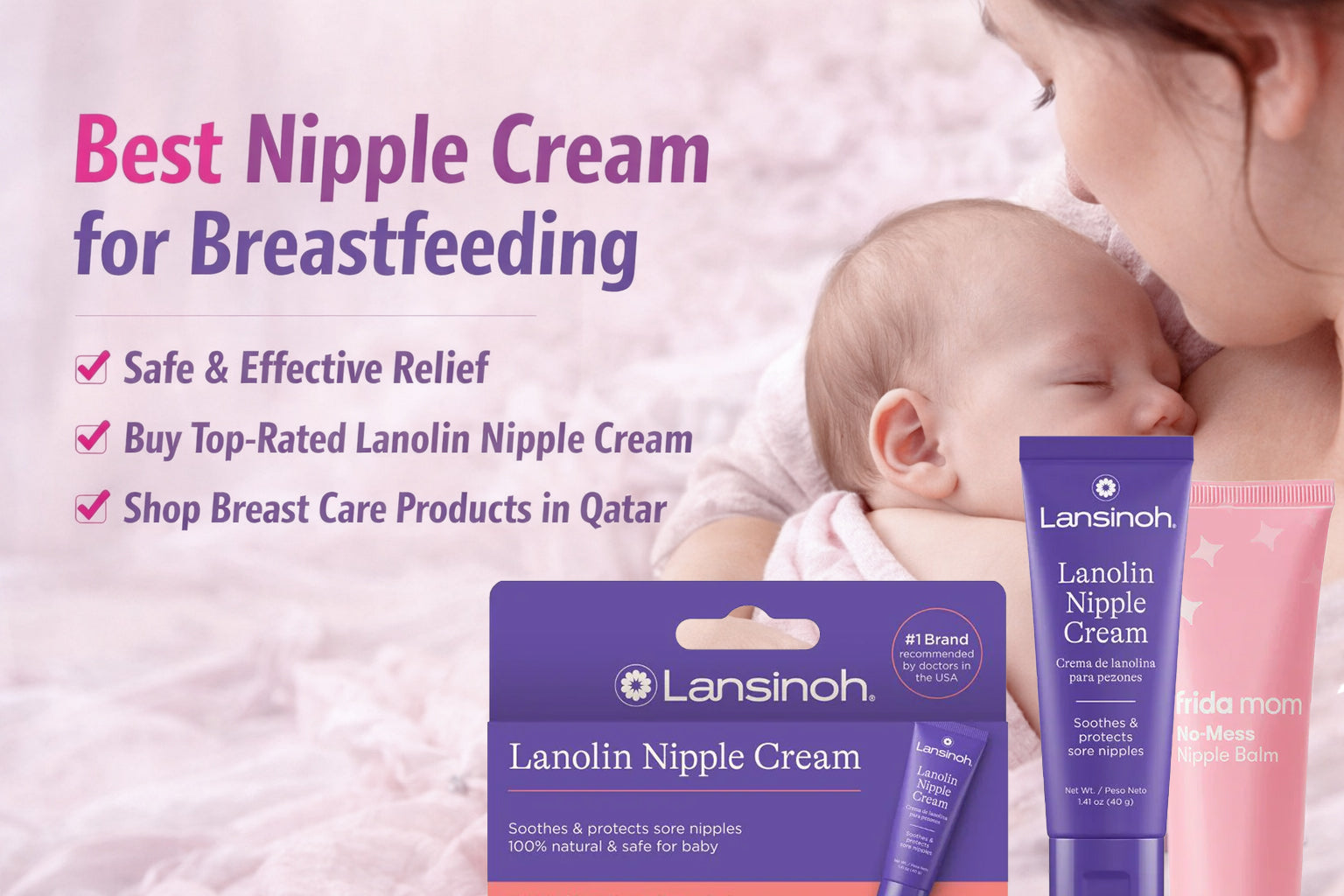
يمكن أن يسهم استخدام مستلزمات الرضاعة المناسبة في جعل الرضاعة أكثر راحة لكل من الأم والطفل. فالوسائد الداعمة، وحمالات الرضاعة، ومضخات الحليب، وحلول التخزين تساعد على تحسين وضعية الرضاعة وتنظيم الروتين اليومي.
يمكن للوالدين في قطر العثور على منتجات موثوقة ومختارة بعناية من خلال منتجات الرضاعة الطبيعية في قطر.
الدعم للأمهات خلال فترة ما بعد الولادة
غالبًا ما تتزامن تحديات الرضاعة الطبيعية مع التغيرات الجسدية والعاطفية بعد الولادة. ويُحدث الحصول على دعم موثوق ومنتجات عالية الجودة فرقًا حقيقيًا.
التسوق من متجر مستلزمات الأمومة في قطر
متى يجب زيارة الطبيب في قطر؟
إذا استمر القيء أو ازداد سوءًا أو صاحَبته أعراض أخرى مقلقة، فاستشيري طبيب الأطفال في أقرب وقت. يساعد التقييم المبكر على توفير الطمأنينة وضمان صحة طفلك وسلامته.
يتمتع مقدمو الرعاية الصحية في قطر بالخبرة اللازمة لمساعدة الوالدين في التعامل مع مشكلات التغذية ومراحل نمو الأطفال.
الخلاصة
قيء حديث الولادة بعد الرضاعة الطبيعية غالبًا ما يكون جزءًا طبيعيًا من مراحل النمو المبكرة، وعادة ما يتحسن مع نضج الجهاز الهضمي للطفل. إن فهم الفرق بين ارتجاع الحليب الطبيعي والقيء المقلق يساعد الوالدين على التصرف بهدوء وبالطريقة المناسبة.
ومن خلال اتباع تقنيات الرضاعة الصحيحة، والحصول على الدعم المناسب، والاستفادة من منتجات الرضاعة الطبيعية في قطر عالية الجودة ومستلزمات الأمومة من متجر مستلزمات الأمومة في قطر موثوق، يمكن للوالدين تجاوز هذه المرحلة بثقة. وعند الشك، احرصي دائمًا على طلب المشورة المهنية، فراحة البال لا تقل أهمية عن الرعاية السليمة.