


تيسير التدريب على استخدام النونية: نصائح عملية للأطفال الدارجين
ساعد طفلك الدارج على بناء الثقة بالنفس من خلال نصائح عملية لتدريبه على استخدام النونية، وعلامات الاستعداد، وروتينات بسيطة تجعل تدريب النونية أسهل للآباء والأطفال.
فهم الاستعداد للتدريب على استخدام النونية
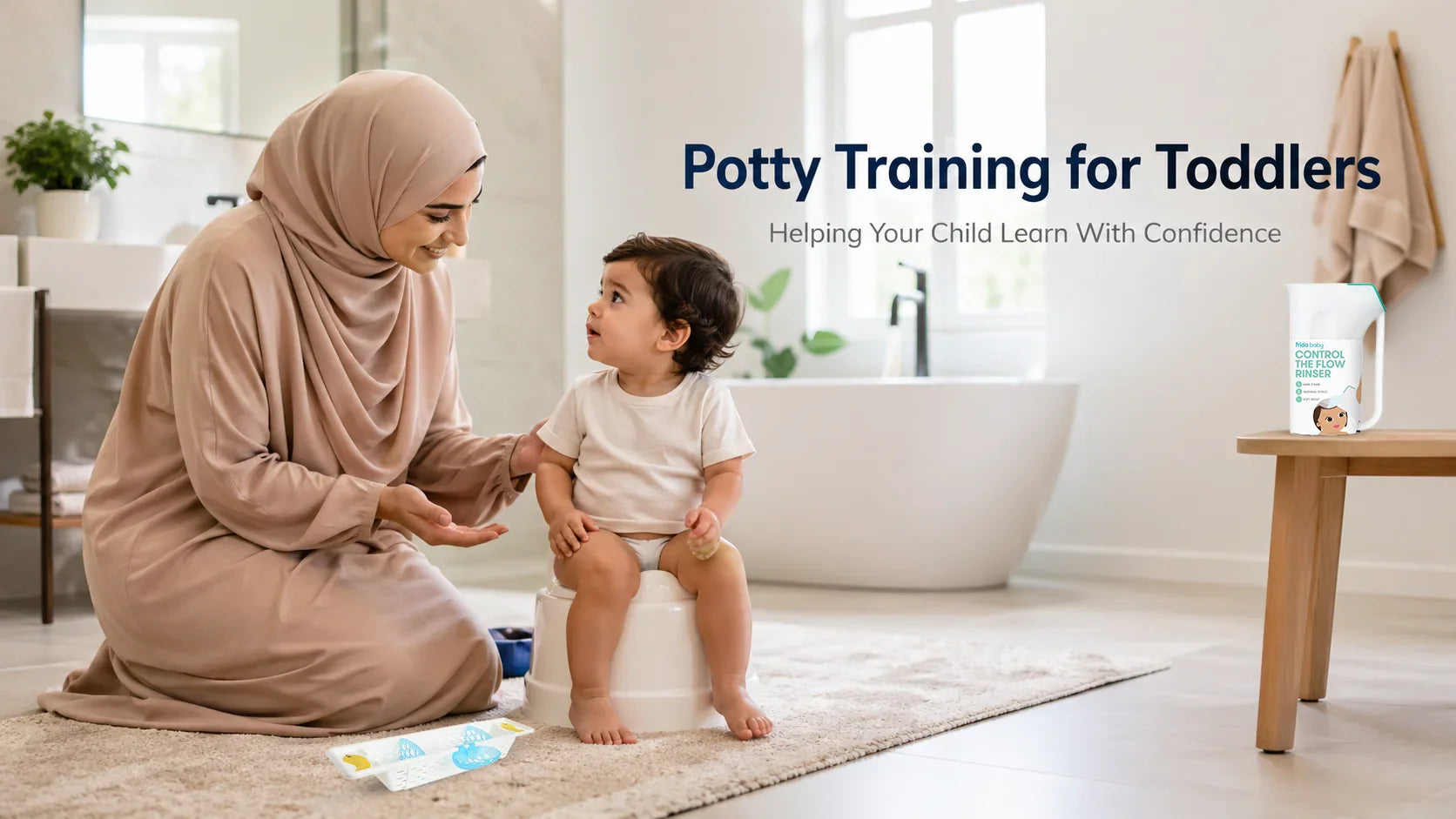
يعد التدريب على استخدام النونية مرحلة مهمة في نمو الطفل. يتعلم كل طفل بوتيرة مختلفة، ويمكن أن يساعد التعرف على علامات الاستعداد الآباء على بدء التدريب على استخدام النونية بضغط أقل وثقة أكبر.
يبدأ العديد من الأطفال الصغار في إظهار اهتمامهم بالتدريب على استخدام النونية بين 18 شهرًا و 3 سنوات، على الرغم من أن الاستعداد يعتمد على التطور البدني والعاطفي أكثر من العمر وحده.
علامات قد تدل على استعداد طفلك للتدريب على استخدام النونية
- البقاء جافًا لفترات أطول
- إظهار الاهتمام بالروتين اليومي للحمام
- التواصل عند الحاجة إلى الذهاب
- اتباع تعليمات بسيطة
عندما يبدأ الأطفال الصغار في إظهار هذه العلامات، يمكن للوالدين البدء في تقديم التدريب على استخدام النونية تدريجيًا وبشكل إيجابي.
إنشاء روتين إيجابي للتدريب على استخدام النونية
إدخال النونية ببطء
اسمح للأطفال الصغار بالتعود على النونية قبل توقع استخدامها بانتظام. يساعد الصبر والتشجيع الأطفال على الشعور براحة أكبر أثناء عملية التعلم.
استخدام التوقيت المتسق
يمكن أن يساعد تشجيع الأطفال الصغار على الجلوس على النونية في أوقات منتظمة طوال اليوم في بناء روتين متسق.
الاحتفال بالتقدم الصغير
يمكن أن يساعد التشجيع والثناء الإيجابي الأطفال الصغار على الشعور بالتحفيز والثقة أثناء تعلم عادات جديدة.
يمكن للوالدين استكشاف الأدوات المفيدة في مجموعتنا من كراسي النونية.
تحديات التدريب على استخدام النونية الشائعة
الحوادث هي جزء طبيعي من التدريب على استخدام النونية. يساعد البقاء هادئًا وداعمًا الأطفال الصغار على مواصلة التعلم دون الشعور بالتوتر أو الإحباط.
غالبًا ما تكون الاتساق والصبر والروتين الإيجابي أهم العوامل في التدريب الناجح على استخدام النونية.
أسئلة مكررة
ما هو أفضل عمر لبدء التدريب على استخدام النونية؟
يبدأ العديد من الأطفال الصغار التدريب على استخدام النونية بين 18 شهرًا و 3 سنوات، اعتمادًا على استعدادهم الفردي.
كم من الوقت يستغرق التدريب على استخدام النونية عادة؟
قد يستغرق التدريب على استخدام النونية عدة أسابيع أو أشهر اعتمادًا على الطفل ومدى اتساق الروتين في المنزل.
هل يجب على الآباء استخدام المكافآت أثناء التدريب على استخدام النونية؟
يمكن أن يساعد الثناء البسيط والتشجيع الإيجابي في تحفيز الأطفال الصغار أثناء تعلم روتين التدريب على استخدام النونية.
الخلاصة
يتطلب التدريب على استخدام النونية الصبر والاتساق والتشجيع. من خلال التعرف على علامات الاستعداد وإنشاء روتين داعم، يمكن للوالدين مساعدة الأطفال الصغار على بناء الثقة خلال هذه المرحلة المهمة من التطور.
قد تجد دليلنا حول أفضل 3 زجاجات رضاعة أطفال فاخرة في قطر مفيدًا عند إعداد جداول الرضاعة للأطفال المتنامين.