





Baby Plays With Bottle Nipple Instead of Eating – Causes, Solutions, and Feeding Tips for Parents in Qatar
Baby Plays With Bottle Nipple Instead of Eating – What Parents in Qatar Should Know
It can feel confusing and even stressful when your baby starts playing with the bottle nipple instead of eating. Many parents in Qatar notice their baby chewing, twisting, or pulling the nipple rather than drinking milk. The good news is that this behavior is very common and, in most cases, completely normal.
Why Does a Baby Play With the Bottle Nipple?
Babies explore the world using their mouths. When a baby plays with the bottle nipple instead of feeding, it is often linked to natural developmental milestones rather than refusal to eat.
Some of the most common reasons include teething discomfort, curiosity about textures, distractions in the environment, or changes in milk flow. As babies grow, their awareness increases, and feeding time can turn into exploration time.
Is This Behavior Normal or a Feeding Problem?
In most cases, this behavior is considered normal, especially for babies between three and eight months old. At this stage, babies are learning how to control their hands, mouth, and tongue.
However, if feeding is consistently skipped, weight gain slows down, or feeding appears painful, medical advice should be sought. Regular monitoring ensures your baby continues to grow healthily.
The Role of Clean Feeding Bottles and Nipples
When babies frequently remove and reinsert bottle nipples into their mouths, hygiene becomes even more important. Milk residue can build up quickly, leading to unpleasant smells and bacteria.
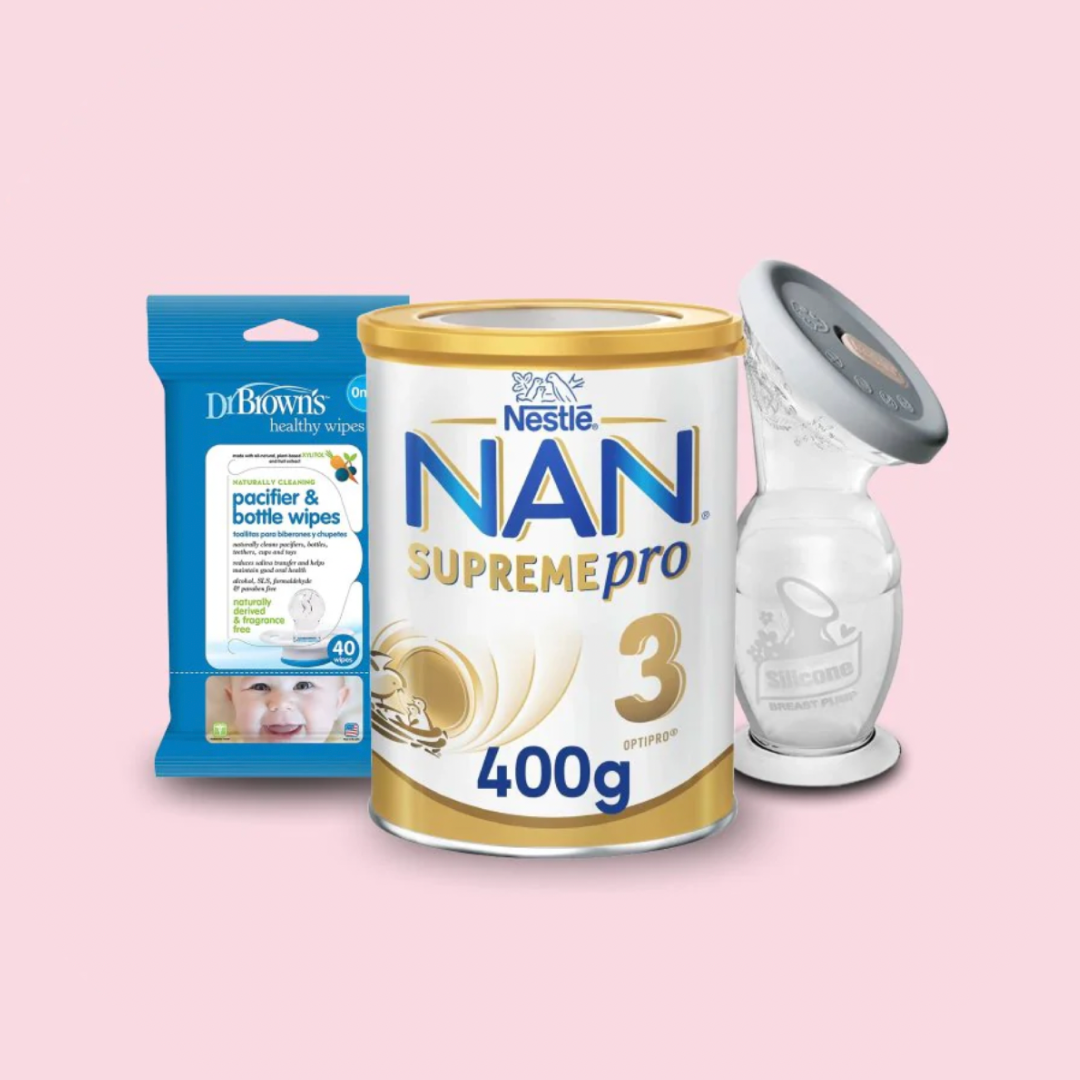
Using a trusted baby bottle and nipple cleanser helps keep feeding items clean, safe, and comfortable for your baby. Clean bottles often improve feeding acceptance and reduce irritation.
How to Help Your Baby Focus on Feeding
Several simple strategies can help guide your baby back to feeding:
Feeding in a quiet, calm space can reduce distractions. Checking the nipple flow ensures milk is released comfortably without causing frustration. Offering feeds when your baby is relaxed and slightly hungry often leads to better results.
Sometimes, gently pausing the feed and restarting helps reset your baby’s focus.
Teething and Bottle Nipple Chewing
Teething is one of the most common reasons babies chew on bottle nipples. The pressure helps soothe sore gums, which may temporarily replace the urge to drink milk.
During teething phases, shorter and more frequent feeds may be helpful. Clean and soft bottle nipples reduce gum irritation and improve comfort.
Choosing the Right Feeding Products in Qatar
Quality feeding products can make a noticeable difference in feeding routines. Parents who want to buy baby feeding products Qatar should look for BPA-free materials, ergonomic designs, and easy-to-clean bottles.
Well-designed feeding essentials support proper latch, smoother milk flow, and a more enjoyable feeding experience for both baby and parent.
When Should Parents Be Concerned?
If your baby refuses multiple feeds in a row, cries during feeding, or shows signs of discomfort, professional advice should be considered. Trusting parental instincts is important, as every baby develops differently.
Most babies outgrow this phase naturally as their feeding skills and focus improve.
Final Thoughts for Parents
When a baby plays with the bottle nipple instead of eating, it is usually a temporary developmental phase. With patience, proper hygiene, and the right feeding tools, this behavior can be managed smoothly.
Understanding your baby’s cues and responding calmly helps build a positive feeding routine that supports healthy growth and emotional comfort.