


أفضل لهايات للمواليد الجدد في قطر (دليل ٢٠٢٦)
هل تبحث عن أفضل لهاية لمولودك الجديد؟ يشرح هذا الدليل كيفية اختيار لهاية آمنة ومريحة، ومتى يمكنك تقديمها لطفلك، وما الذي يجب على الآباء في قطر معرفته.
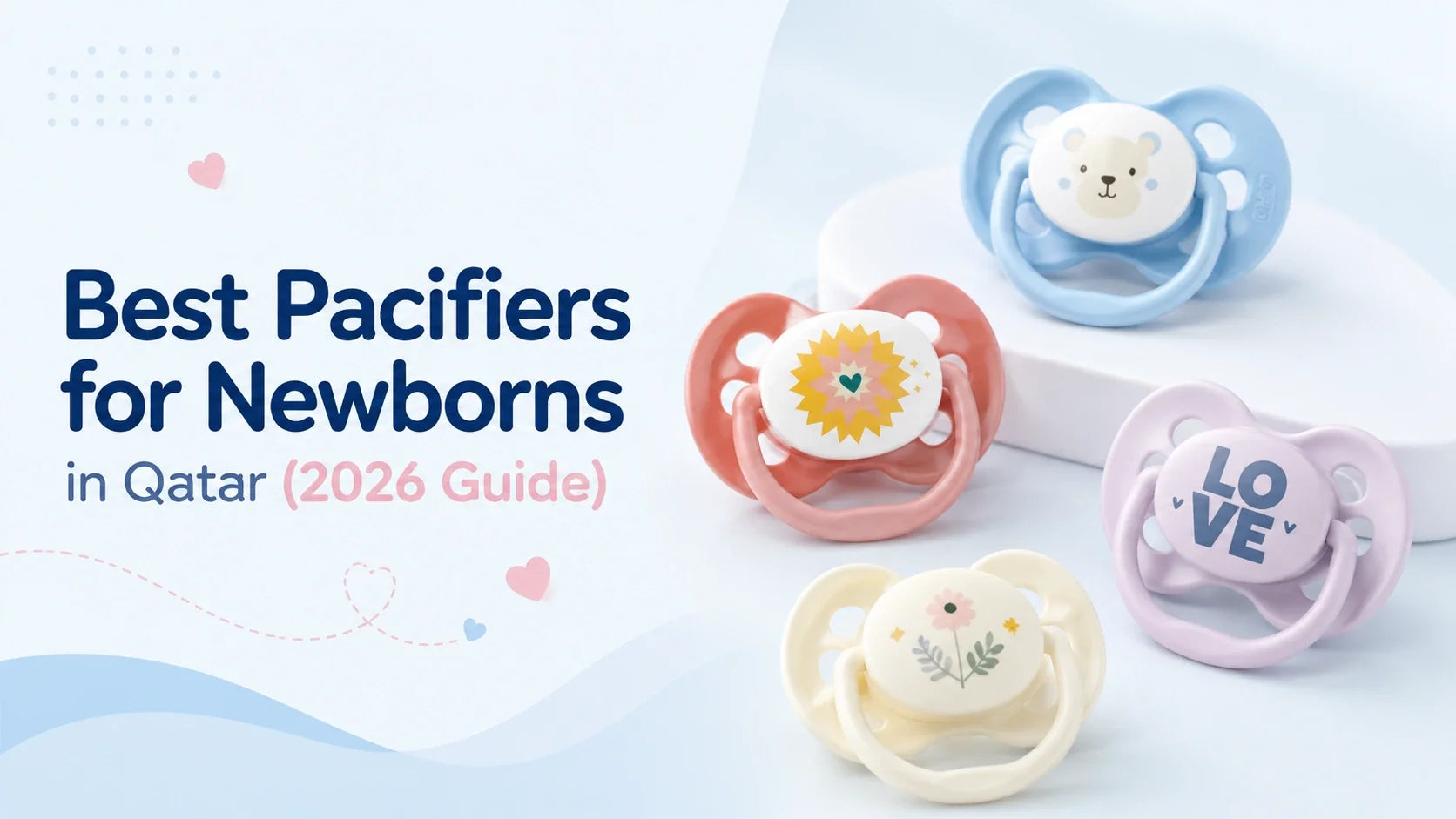
إن اختيار أفضل لهاية للمواليد الجدد في قطر ليس بالسهولة التي تبدو عليها عند اختيار التصميم الأجمل. تأتي اللهايات بأحجام وأشكال ومواد مختلفة، ويعتمد الاختيار الصحيح على عمر طفلك، روتين الرضاعة، وراحته.
بالنسبة للعديد من الأطفال، يعد المص رد فعل طبيعي يوفر الراحة بعيدًا عن الرضاعة. يمكن أن تساعد اللهاية في تهدئة الانزعاج، ومساعدة الأطفال على النوم، وتلبية الرغبة في المص غير الغذائي بين الرضعات. ومع ذلك، فإن إدخالها في الوقت المناسب واختيار تصميم آمن لا يقل أهمية.
يشرح هذا الدليل كل ما يجب على الآباء معرفته قبل شراء لهاية لحديثي الولادة، بما في ذلك المواد، أشكال الحلمات، ميزات السلامة، ومتى يجب استبدالها.
هل يجب أن يستخدم حديثو الولادة اللهاية؟
يمكن للعديد من حديثي الولادة الأصحاء استخدام اللهاية بأمان بمجرد أن يتم ترسيخ الرضاعة بشكل جيد. بالنسبة للأطفال الذين يرضعون رضاعة طبيعية حصرية، يوصي العديد من المتخصصين في الرعاية الصحية بالانتظار حتى تسير الرضاعة الطبيعية بسلاسة قبل إدخال اللهاية. أما الأطفال الذين يرضعون بالزجاجة، فيمكنهم عادةً البدء في استخدامها مبكرًا إذا لزم الأمر.
كل طفل يختلف عن الآخر، لذا إذا كنت غير متأكد من التوقيت، استشر طبيب الأطفال أو مستشارة الرضاعة الطبيعية للحصول على المشورة.
فوائد استخدام اللهاية
عند استخدامها بشكل مناسب، يمكن أن توفر اللهاية العديد من الفوائد.
- تساعد في تهدئة الأطفال المنزعجين بين الرضعات.
- توفر الراحة أثناء القيلولة ووقت النوم.
- تلبي رد فعل المص الطبيعي لدى الطفل.
- قد تساعد في تهدئة الأطفال أثناء السفر أو المواعيد الطبية.
- يمكن أن توفر راحة مؤقتة أثناء التسنين، اعتمادًا على عمر الطفل.
يجب ألا تحل اللهايات أبدًا محل الرضاعة عندما يكون الطفل جائعًا. فهي مصممة للراحة، وليس لتأخير الرضعات.
كيف تختار أفضل لهاية
١. اختاري الفئة العمرية المناسبة
تم تصميم اللهايات لمراحل نمو مختلفة.
- من ٠ إلى ٦ شهور
- من ٦ إلى ١٨ شهر
- ١٨ شهر وأكثر
اختر دائمًا العمر الموصى به من قبل الشركة المصنعة، حيث قد لا تناسب اللهايات الأكبر حجمًا حديثي الولادة بشكل مريح.
٢. السيليكون مقابل اللاتكس
لهايات السيليكون
السيليكون هو المادة الأكثر شيوعًا لأنه متين، ومقاوم للروائح، وسهل التنظيف. كما أنه يميل إلى الاستمرار لفترة أطول مع الاستخدام اليومي.
لهايات اللاتكس
اللاتكس أكثر ليونة ومرونة ولكنه يتلف بسرعة أكبر. يفضل بعض الأطفال ملمسه الأكثر نعومة، بينما يتكيف آخرون بشكل جيد مع السيليكون.
لهايات تقويم الأسنان مقابل الحلمات الدائرية
تأتي اللهايات عادةً بشكلين شائعين للحلمة.
لهايات تقويم الأسنان
لها قاعدة مسطحة مصممة لتناسب فم الطفل بشكل طبيعي ودعم النمو الفموي الطبيعي.
لهايات دائرية (كرزية)
لهايات دائرية ذات شكل تقليدي مستدير يجد بعض حديثي الولادة أنه أسهل في التقبل، خاصة في الأسابيع الأولى.
لا يوجد نمط أفضل عالمياً. غالباً ما يطور الأطفال تفضيلاتهم الخاصة، ويجرب العديد من الآباء ببساطة خياراً أو خيارين آمنين قبل اتخاذ القرار.
ميزات السلامة الهامة
بغض النظر عن العلامة التجارية، اختر لهاية تتضمن:
- تصميم من قطعة واحدة كلما أمكن ذلك.
- ثقوب تهوية في الدرع.
- درع أوسع من فم طفلك.
- مواد خالية من مادة BPA.
- مقبض متين لسهولة الإزالة.
تجنب الإكسسوارات الزخرفية التي قد تشكل خطر الاختناق، وافحص اللهايات دائمًا بحثًا عن أي تلف قبل كل استخدام.
متى يجب استبدال اللهاية؟
حتى اللهايات عالية الجودة لا تدوم إلى الأبد. استبدلها فوراً إذا لاحظت:
- تشققات أو تمزقات.
- تغيرات في اللون.
- مادة لزجة أو ضعيفة.
- أجزاء فضفاضة.
يوصي العديد من الشركات المصنعة باستبدال اللهايات كل شهر إلى شهرين مع الاستخدام المنتظم، على الرغم من أن هذا قد يختلف حسب المنتج.
كيفية الحفاظ على نظافة اللهايات
يجب تنظيف لهايات حديثي الولادة بانتظام لتقليل التعرض للجراثيم.
بالنسبة للرضع الذين تقل أعمارهم عن ستة أشهر، يختار العديد من الآباء تعقيم اللهايات بانتظام باستخدام جهاز تعقيم الأطفال أو باتباع تعليمات التنظيف المقدمة من الشركة المصنعة.
إذا كنت تقوم بإعداد الزجاجات أيضًا، فإن دليلنا حول كيفية تعقيم زجاجات الرضاعة يشرح ممارسات التعقيم الآمنة لمعدات الرضاعة اليومية.
هل يمكن أن تؤثر اللهايات على الرضاعة الطبيعية؟
عند إدخالها في وقت مبكر جداً، قد يجد بعض الأطفال صعوبة أكبر في ترسيخ الرضاعة الطبيعية الفعالة. لهذا السبب، يوصي العديد من المتخصصين في الرعاية الصحية بالانتظار حتى يتم ترسيخ الرضاعة الطبيعية بشكل جيد قبل تقديم اللهاية للأطفال الذين يرضعون رضاعة طبيعية حصرية.
إذا كنت تجمع بين الرضاعة الطبيعية والرضاعة بالزجاجة، فإن استخدام حلمة زجاجة الرضاعة ذات التدفق البطيء واتباع ممارسات الرضاعة المتجاوبة قد يساعد في دعم انتقال سلس بين طرق الرضاعة.
يمكنك أيضًا قراءة دليلنا حول الجمع بين الرضاعة الطبيعية والرضاعة الصناعية للحصول على نصائح عملية حول الرضاعة.
هل يجب أن ينام الأطفال مع اللهاية؟
ينام العديد من الأطفال بشكل طبيعي أثناء استخدام اللهاية. إذا سقطت اللهاية بعد نوم طفلك، فلا داعي لإعادتها عادةً. يجب على الآباء ألا يجبروا الطفل أبدًا على إبقاء اللهاية في فمه أثناء النوم.
اتبع دائمًا توصيات النوم الآمن بوضع طفلك على ظهره على مرتبة ثابتة بدون وسائد أو أغطية فضفاضة أو ألعاب ناعمة.
أخطاء شائعة يجب على الآباء تجنبها عند استخدام اللهاية
- اختيار الحجم الخاطئ لعمر طفلك.
- استخدام لهاية تالفة أو بالية.
- ربط اللهايات بشرائط طويلة أو حبال قد تشكل خطر الاختناق.
- غمس اللهاية في العسل أو السكر أو السوائل الحلوة.
- إهمال التنظيف والتعقيم المنتظم.
- استخدام اللهاية لتأخير الرضاعة عندما يكون طفلك جائعاً.
كم عدد اللهايات التي يجب شراؤها؟
يجد معظم الآباء أنه من المفيد توفر ثلاث إلى خمس لهايات. الاحتفاظ بهايات إضافية في المنزل، وفي حقيبة الحفاضات، وفي السيارة يجعل الأمر أسهل عندما تحتاج إحداها إلى التنظيف أو تضيع.
يمكن أن يساعد حامل اللهاية أو علبة التخزين أيضًا في الحفاظ على نظافة اللهايات عندما تكون خارج المنزل.
شراء لهاية في قطر
عند التسوق لشراء لهاية لحديثي الولادة، ابحث عن العلامات التجارية الموثوقة التي توضح بوضوح الفئة العمرية الموصى بها وتلتزم بمعايير السلامة الدولية. اختر مواد خالية من مادة BPA، وافحص المنتج بانتظام، واستبدله عند ظهور علامات التآكل.
إذا بدأ طفلك في التسنين أيضًا، يقدم العديد من الآباء في النهاية عضاضات مناسبة للعمر، وهي مصممة خصيصًا لتهدئة اللثة الملتهبة بدلاً من استبدال اللهايات.
الأسئلة المتكررة
متى يمكنني تقديم اللهاية لطفلي حديث الولادة؟
بالنسبة للأطفال الذين يرضعون رضاعة طبيعية حصرية، يوصي العديد من المتخصصين في الرعاية الصحية بالانتظار حتى يتم ترسيخ الرضاعة الطبيعية بشكل جيد. أما الأطفال الذين يرضعون بالزجاجة، فيمكن تقديم اللهاية لهم في وقت أبكر إذا كان ذلك مناسبًا.
أي مادة للهاية أفضل: السيليكون أم اللاتكس؟
السيليكون عمومًا أكثر متانة، ومقاوم للروائح، وأسهل في التنظيف، بينما اللاتكس أكثر نعومة ولكنه يتآكل بسرعة أكبر. وكلاهما يمكن أن يكون آمنًا عند الاستخدام وفقًا لتوصيات الشركة المصنعة.
كم مرة يجب أن أستبدل لهاية طفلي؟
استبدل اللهاية فورًا إذا ظهرت عليها تشققات أو تمزقات أو تغير في اللون أو أي علامات تلف أخرى. مع الاستخدام المنتظم، توصي العديد من الشركات المصنعة باستبدال اللهايات كل شهر إلى شهرين.
هل يمكن لحديثي الولادة النوم مع اللهاية؟
نعم. ينام العديد من الأطفال بشكل طبيعي مع اللهاية. إذا سقطت أثناء نوم طفلك، فلا داعي لإعادتها.
كيف أقوم بتنظيف لهاية حديثي الولادة؟
نظف اللهايات وفقًا لتعليمات الشركة المصنعة. بالنسبة للرضع الصغار، يوصى بالتعقيم المنتظم للمساعدة في تقليل التعرض للجراثيم.