

علامات استعداد طفلك للرضاعة باستخدام الكوب
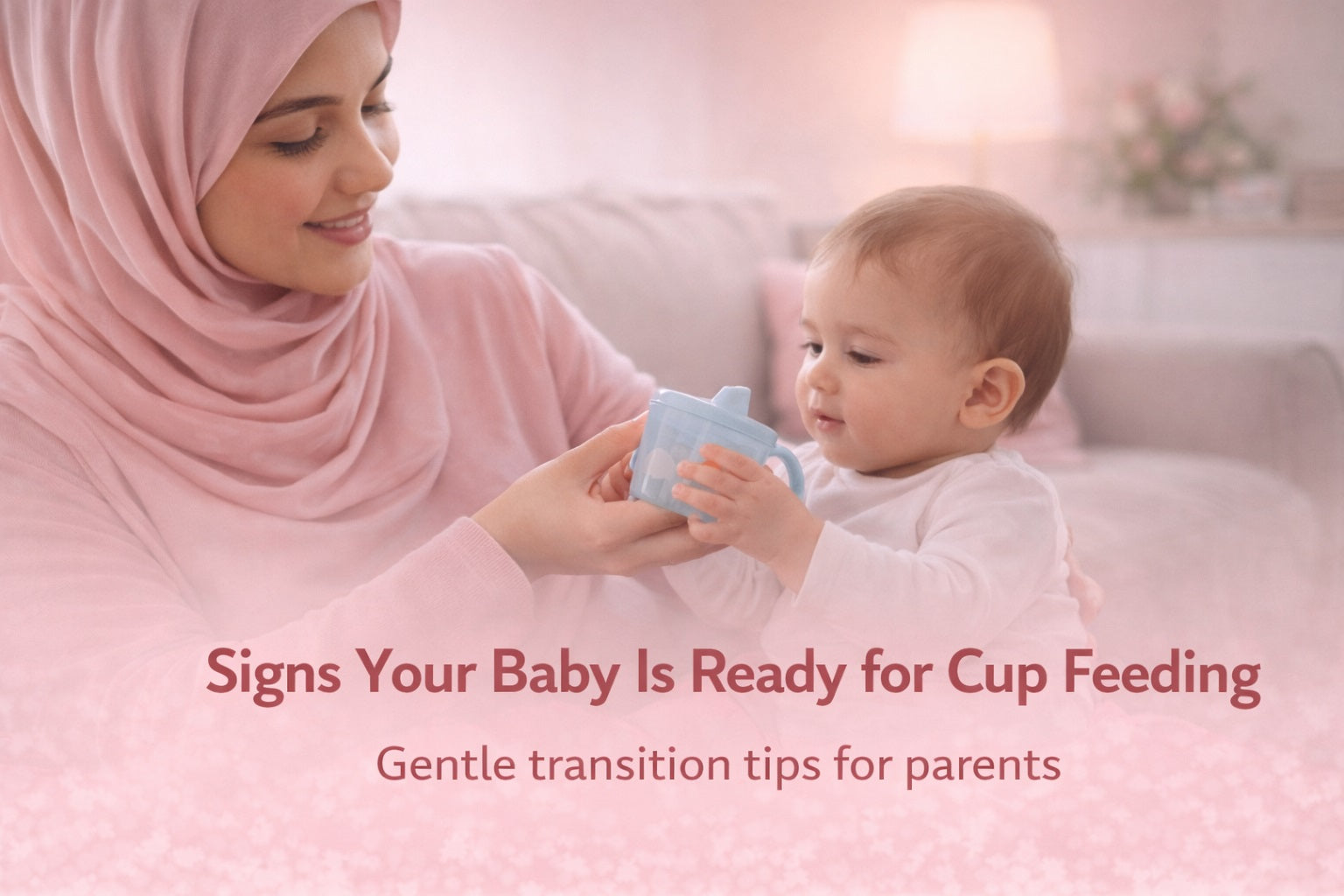
لماذا ينتقل الأطفال من الزجاجة إلى الكوب؟
يُعد الانتقال من الزجاجة إلى الكوب خطوة طبيعية في رحلة تغذية الطفل. ولا يحدث هذا الانتقال بشكل مفاجئ، بل يجب أن يعتمد على استعداد الطفل نفسه وليس على عمر محدد.
يتساءل العديد من الآباء والأمهات في قطر عن الوقت المناسب لهذه الخطوة. وغالبًا ما يُظهر الأطفال علامات واضحة عندما يكونون مستعدين.
العلامات الشائعة لاستعداد الطفل للرضاعة باستخدام الكوب
تظهر علامات الاستعداد تدريجيًا من خلال السلوك والاهتمام.
قدرة الطفل على الجلوس مع الدعم
يشير الجلوس مع الدعم إلى تطور التحكم في الرأس والجسم، مما يجعل الرضاعة بالكوب أكثر أمانًا وراحة.
اهتمام الطفل بكوبك
محاولة الوصول إلى الأكواب، أو مراقبة الآخرين أثناء الشرب، أو محاولة الإمساك بالمشروبات تعد إشارات قوية على الفضول والاستعداد.
إمساك الطفل بالأشياء بثقة
عندما يستطيع الطفل الإمساك بالألعاب أو الزجاجة بثبات، يكون أكثر استعدادًا لتجربة الإمساك بالكوب.
مضغ الطفل لحلمة الرضاعة أو اللعب بها
قد يشير اللعب بحلمة الرضاعة بدلًا من الشرب إلى تغير في مهارات التغذية.
وغالبًا ما يرتبط هذا السلوك بتغيرات أخرى في الرضاعة. يمكنك قراءة المزيد عن اللعب أثناء الرضاعة.
هل هناك عمر مثالي لبدء الرضاعة بالكوب؟
لا يوجد عمر مثالي محدد. يبدأ العديد من الأطفال في استكشاف الكوب بين عمر ستة إلى اثني عشر شهرًا، لكن الأهم هو استعداد الطفل وليس عمره.
قد يحتاج بعض الأطفال وقتًا أطول، وهذا أمر طبيعي تمامًا.
كيفية تقديم الكوب بطريقة لطيفة
يساعد الأسلوب اللطيف الطفل على الشعور بالأمان والثقة.
البدء بجلسات تدريب قصيرة
يمكن تقديم الكوب خلال أوقات هادئة من اليوم، ولا يشترط أن يحل محل الرضعات الكاملة فورًا.
اختيار أكواب مناسبة للأطفال
تُعد الأكواب ذات الحواف الناعمة أو أكواب التدريب أسهل في البداية.
يمكنك استكشاف الخيارات المناسبة ضمن مجموعة إكسسوارات التغذية.
الاستمرار في استخدام الزجاجة للرضعات المريحة
يمكن الاستمرار في استخدام الزجاجة في روتين النوم أو الليل حتى يشعر الطفل بالراحة مع الكوب.
أخطاء شائعة يجب تجنبها
- إجبار الطفل على استخدام الكوب قبل استعداده
- إزالة الزجاجة بشكل مفاجئ
- مقارنة تقدم الطفل مع أطفال آخرين
كل طفل يتطور في وتيرته الخاصة.
كيف يندمج الكوب في روتين التغذية
يساعد الروتين على تسهيل الانتقال. تقديم الكوب في نفس الوقت يوميًا يعزز الألفة.
كما أن الجلوس المريح يساعد الطفل على التركيز أثناء التدريب.
تجد بعض العائلات دعمًا إضافيًا باستخدام منتجات من قسم الكراسي المرتفعة ومقاعد التعزيز.
كيف يرتبط ذلك بتغيرات التغذية الأخرى
غالبًا ما يظهر استعداد الكوب إلى جانب انخفاض كمية الحليب أو التشتت أثناء الرضاعة.
قد تجد أيضًا فائدة في قراءة دليلنا حول شرب الأطفال كمية أقل من الحليب مع بقائهم سعداء والتشتت أثناء الرضاعة.
الأسئلة الشائعة: علامات استعداد الطفل للرضاعة بالكوب
متى يجب أن أبدأ تقديم الكوب لطفلي؟
يُظهر العديد من الأطفال استعدادهم بين عمر ستة إلى اثني عشر شهرًا، لكن علامات الاستعداد أهم من العمر.
هل يمكن تقديم الماء في الكوب أولًا؟
نعم. يبدأ العديد من الآباء والأمهات بكميات صغيرة من الماء أثناء الوجبات.
هل يجب إيقاف الرضاعة بالزجاجة تمامًا؟
لا. يمكن تقليل الزجاجة تدريجيًا مع تطور مهارات استخدام الكوب.
ماذا لو رفض طفلي الكوب؟
الرفض أمر شائع في البداية. وغالبًا ما يساعد التدريب اللطيف دون ضغط.