


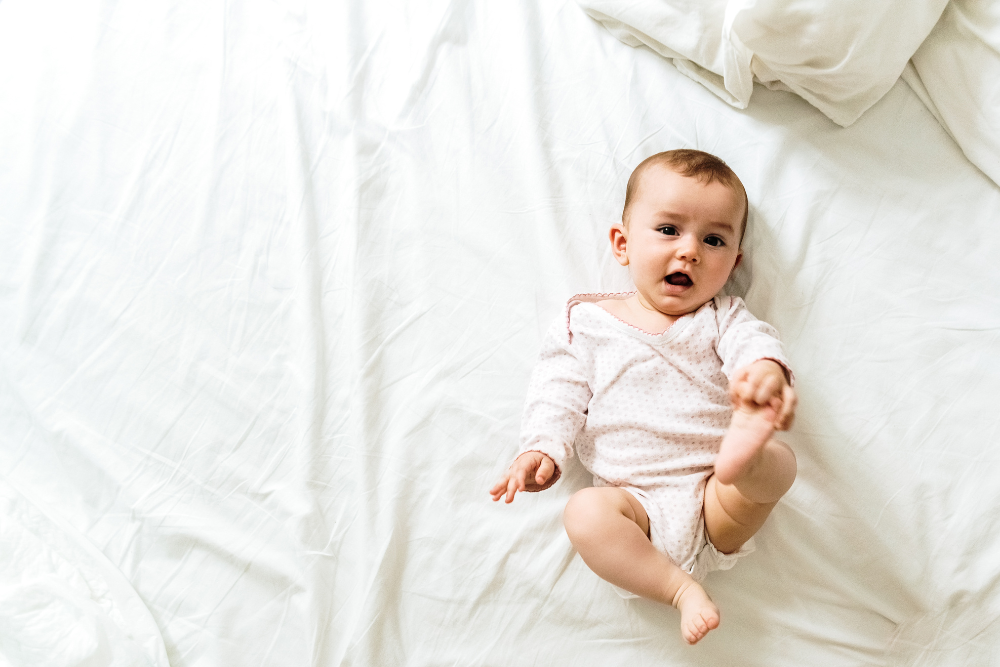
أفضل انتقال من الرضاعة بالزجاجة إلى الكوب للأطفال في قطر

متى يجب أن ينتقل الأطفال من الرضّاعة إلى الكوب؟
عادة ما يبدأ أفضل انتقال من الرضّاعة إلى الكوب بين 6 و 12 شهرًا من العمر. يبدأ العديد من الآباء في قطر في إدخال الكوب ببطء أثناء أوقات الوجبات مع الاستمرار في الرضاعة المنتظمة. بحلول حوالي 12 إلى 18 شهرًا، يمكن لمعظم الأطفال تقليل الاعتماد على الرضّاعة تدريجيًا ويصبحون أكثر راحة في استخدام الأكواب.
يتطور كل طفل بشكل مختلف. يقبل بعض الأطفال الأكواب بسرعة بينما يحتاج آخرون إلى وقت وصبر إضافيين. غالبًا ما يكون الانتقال البطيء واللطيف أفضل من التوقف المفاجئ عن الرضّاعة.
لماذا يعد الانتقال من الرضّاعة إلى الكوب مهمًا
قد يؤثر الاستخدام طويل الأمد للرضّاعة على تطور الأسنان وعادات التغذية ومهارات الشرب المستقلة. يساعد الشرب من الكوب الأطفال على تعلم التنسيق الفموي مع تشجيع الروتين الصحي.
يمكن أن يقلل الانتقال من الرضّاعات أيضًا من عادات الشرب المريحة التي تستمر خلال سنوات الطفولة المبكرة. يفضل الآباء في قطر البدء مبكرًا لأن الطقس الدافئ يزيد من احتياجات الترطيب ويشجع على تناول الماء بشكل متكرر.
علامات استعداد طفلك للكوب
- يجلس بشكل مستقل أثناء وقت الرضاعة
- يظهر اهتمامًا بالأكواب أو القشّات
- يحاول حمل الرضّاعة بمفرده
- يبدأ في تناول الأطعمة الصلبة بانتظام
- يمكنه شرب كميات صغيرة دون أن يختنق
تظهر هذه العلامات عادة حوالي 6 أشهر وتستمر في التحسن خلال السنة الأولى.
اختيار الكوب المناسب للأطفال
لا تعمل جميع الأكواب مع كل طفل. يفضل بعض الأطفال الفوّاهات الناعمة بينما يتعلم آخرون بشكل أسرع باستخدام أكواب القشّ أو الأكواب المفتوحة.
أكواب التدريب ذات الفوّهة الناعمة
هذه تشعر الأطفال الذين ينتقلون من الرضّاعات بالراحة. غالبًا ما تكون أسهل في المراحل المبكرة.
أكواب القشّ
تساعد أكواب القشّ على تطوير عضلات الفم وقد تقلل من عادات المص المطولة مقارنة بالرضّاعات التقليدية.
أكواب مفتوحة
تشجع الأكواب المفتوحة الصغيرة مهارات الشرب الطبيعية. قد يحتاج الآباء إلى المساعدة في البداية لتجنب الانسكابات.
أفضل نصائح الانتقال للآباء في قطر
ابدأ ببطء
قدم كوبًا مرة واحدة يوميًا بدلاً من استبدال جميع الرضّاعات على الفور. التغييرات التدريجية تساعد الأطفال على الشعور بالأمان.
استخدم الماء أثناء التدريب
الماء مثالي خلال مراحل التعلم المبكرة لأن الانسكابات أسهل في الإدارة.
أنشئ روتينًا للرضاعة
قدم الأكواب أثناء الوجبات أو أوقات الوجبات الخفيفة باستمرار. يتعلم الأطفال بشكل أسرع من خلال التكرار.
تجنب الضغط
يرفض بعض الأطفال الأكواب في البداية. التشجيع اللطيف يعمل بشكل أفضل من إجبار الانتقال.
قلل الاعتماد على الرضّاعة تدريجيًا
يزيل العديد من الآباء رضّاعات النهار أولاً مع الاحتفاظ بوجبات ما قبل النوم مؤقتًا.
التحديات الشائعة أثناء الانتقال من الرضّاعة إلى الكوب
يرفض الطفل الكوب
حاول تغيير أنماط الكوب أو درجات الحرارة أو أوضاع الرضاعة. غالبًا ما يحتاج الأطفال إلى محاولات متعددة قبل قبول كوب جديد.
يلعب الطفل بالكوب
هذا طبيعي تمامًا. الاستكشاف جزء من التعلم. استمر في تقديم الكوب بهدوء دون إحباط.
انسكابات متكررة
الانسكابات متوقعة أثناء التدريب على الكوب. استخدم مرايل مقاومة للماء وتدرب في أماكن سهلة التنظيف.
كم يستغرق الانتقال؟
يتكيف بعض الأطفال في غضون أسابيع قليلة بينما يحتاج آخرون إلى عدة أشهر. الاتساق أهم من السرعة. يجب على الآباء التركيز على التقدم بدلاً من الكمال.
في قطر، غالبًا ما تنتقل العائلات بنجاح أكبر عند الحفاظ على الروتين في المنزل وأثناء النزهات.
أفضل المشروبات لتقديمها أثناء التدريب على الكوب
- حليب الثدي
- حليب الأطفال الصناعي
- كميات صغيرة من الماء بعد 6 أشهر
- الحليب أثناء الوجبات للأطفال الأكبر سنًا
تجنب المشروبات السكرية أثناء الرضاعة ما لم ينصح بها أخصائي رعاية صحية.
متى تتوقف عن الرضاعة بالرضّاعة تمامًا
تشير معظم التوصيات الطبية للأطفال إلى التوقف عن استخدام الرضّاعة حوالي 12 إلى 18 شهرًا. قد يؤثر الاعتماد المطول على الرضّاعة على أنماط النوم وتطور الفم.
يمكن للآباء البدء بإزالة رضّاعات النهار أولاً قبل إزالة وجبات الراحة الليلية تدريجيًا.
مساعدة الأطفال على الشعور بالراحة أثناء الانتقال
التعزيز الإيجابي والصبر وبيئات التغذية الهادئة تساعد الأطفال على التكيف بشكل أكثر راحة. غالبًا ما يؤدي التقدم اليومي الصغير إلى نجاح طويل الأمد.
أفضل انتقال من الرضّاعة إلى الكوب ليس عن الاستعجال. إنه عن مساعدة الأطفال على بناء عادات تغذية مستقلة صحية بثقة وراحة.
يمكن للآباء في قطر جعل العملية أسهل عن طريق اختيار أكواب مناسبة للعمر، والحفاظ على الروتين، وتشجيع الممارسة اللطيفة كل يوم.
اقرأ أيضًا: علامات استعداد طفلك للشرب من الكوب
دليل ذو صلة: كم مرة يجب إطعام الطفل: دليل بسيط للآباء
قراءة مفيدة: أخطاء الرضاعة بالرضّاعة التي يرتكبها الآباء دون أن يدركوا