

كيف تختار أفضل حليب صناعي لطفلك حديث الولادة
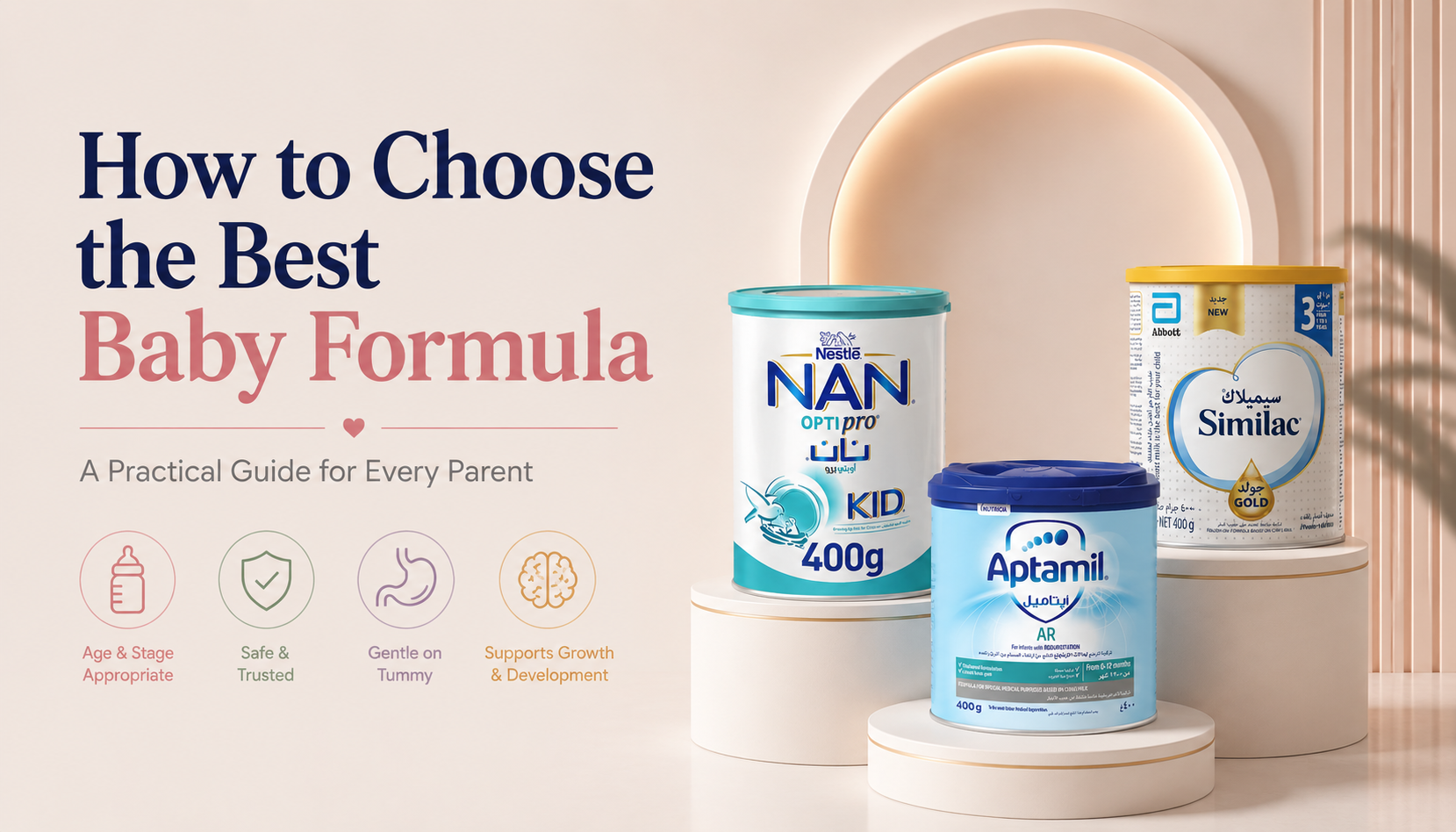
الوقوف أمام رف مليء بعلب الحليب الاصطناعي، أو التمرير عبر عشرات الخيارات عبر الإنترنت، كافٍ لجعل رأس أي والد يدور. كل علبة تعد بأنها أقرب إلى حليب الأم، ألطف على البطون الصغيرة، أو أفضل لتنمية الدماغ. الحقيقة أبسط مما يوحي به التسويق. معظم أنواع الحليب الاصطناعي المباعة اليوم تلبي معايير التغذية الصارمة، والخيار الصحيح لطفلك عادة ما يعود إلى عدد قليل من العوامل العملية بدلاً من مطاردة الملصق الأكثر أناقة.
إليك تحليل واضح وصادق لما يهم حقًا عند اختيار حليب الأطفال، حتى تتمكن من إطعام طفلك بثقة بدلاً من الشك في كل عملية شراء.
ابدأ بعمر طفلك واحتياجاته
يتم تصنيف الحليب الاصطناعي بشكل عام حسب المرحلة، حليب الأطفال حديثي الولادة للأشهر الستة الأولى، وحليب المتابعة من ستة أشهر فصاعدًا عندما يبدأ الأطفال بتناول الأطعمة الصلبة. قد يحتاج الأطفال الخدج، أو الأطفال الذين يعانون من الارتجاع، أو الأطفال الذين يعانون من حساسية مشخصة إلى حليب اصطناعي متخصص يوصي به طبيب الأطفال مباشرة. إذا لم يكن طفلك يعاني من أي مشكلة طبية محددة، فإن حليب الأطفال القياسي للمرحلة الأولى هو نقطة البداية الصحيحة، ويمكنك دائمًا التعديل بناءً على استجابته.
فهم الاختلافات الرئيسية في المكونات
مصدر البروتين
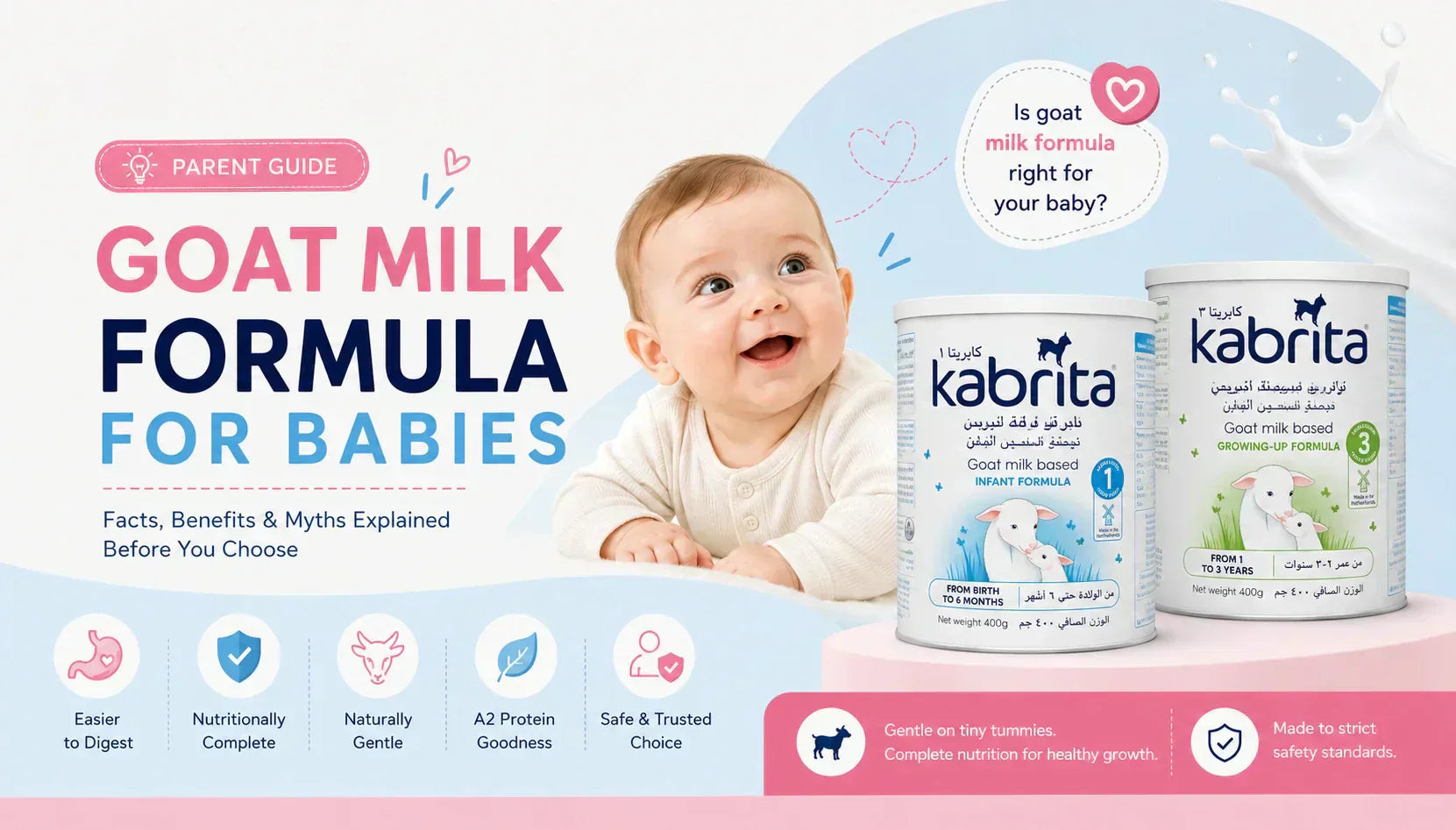
تستخدم معظم أنواع الحليب الاصطناعي بروتين حليب البقر، والذي يعمل بشكل جيد لمعظم الأطفال. أصبح حليب الماعز الاصطناعي شائعًا بشكل متزايد للآباء الذين يبحثون عن بديل يهضمه بعض الأطفال بشكل أكثر راحة، على الرغم من أنه ليس بالضرورة أفضل، بل مختلف فحسب. عادة ما يتم حجز الحليب الاصطناعي القائم على الصويا للأطفال الذين يعانون من حساسية حقيقية لمنتجات الألبان، ويجب استخدامه بتوجيه من طبيب الأطفال.
مصدر الكربوهيدرات
اللاكتوز هو الكربوهيدرات الأكثر تشابهًا مع حليب الأم وهو الخيار القياسي ما لم يكن طفلك يعاني من عدم تحمل معين. عادة ما يتم حجز أنواع الحليب الاصطناعي التي تستخدم مواد شراب الذرة الصلبة أو الكربوهيدرات البديلة الأخرى للأطفال الذين يعانون من حساسية الجهاز الهضمي، وعادة ما يقترحها الطبيب بدلاً من اختيارها بشكل مستقل.
مصدر الدهون
تدعم الدهون نمو الدماغ، لذا فهذا مجال يستحق الاهتمام. تستخدم العديد من أنواع الحليب الاصطناعي الزيوت النباتية، بينما تستخدم بعض الخيارات الأحدث دهون الحليب الكامل لتقارب تركيب حليب الأم بشكل أكبر. لا يوجد أي خطأ جوهري في أي منهما، ولكن إذا كان طفلك يعاني من معدة حساسة، فهذا غالبًا ما يكون أول شيء يستحق التعديل.
عضوي مقابل تقليدي
تصنع أنواع الحليب الاصطناعي العضوية بدون مبيدات حشرية اصطناعية أو كائنات معدلة وراثيًا، مما يمنح بعض الآباء راحة بال إضافية. ومع ذلك، فإن جميع أنواع الحليب الاصطناعي المباعة بشكل قانوني مطالبة بتلبية نفس معايير التغذية الأساسية، لذا فإن اختيار العضوي هو تفضيل شخصي وليس ضرورة غذائية. إذا كان يتناسب مع ميزانيتك وقيمك، فإن خيار طعام الأطفال العضوي هو خيار قوي ومنظم جيدًا.
راقب كيف يستجيب طفلك بالفعل
لا يمكن لأي قدر من قراءة الملصقات أن يتفوق على ردود الفعل الواقعية من طفلك. تشمل علامات أن الحليب الاصطناعي يعمل بشكل جيد زيادة الوزن المطردة، والهضم المريح، والحد الأدنى من البصق، والبراز الطبيعي جيد التكوين. الغازات الزائدة، والإمساك، والعصبية غير العادية بعد الرضعات، أو الطفح الجلدي يمكن أن تكون علامات تستدعي إعادة النظر، ويفضل أن يكون ذلك بمشورة طبيب الأطفال بدلاً من التغيير المتكرر بمفردك.
فكر في لوجستيات التغذية العملية
اختيار الحليب الاصطناعي لا يقتصر على المكونات. الحليب الاصطناعي السائل الجاهز للاستخدام مريح للسفر أو رضعات منتصف الليل، بينما الحليب الاصطناعي البودرة أكثر اقتصادية للاستخدام اليومي. أياً كان ما تختاره، فإن إقرانه بـ الزجاجة المناسبة وحلمة ذات تدفق مناسب يحدث فرقًا حقيقيًا في مدى سلاسة الرضاعة، وأحيانًا أكثر من علامة الحليب الاصطناعي نفسها.
أساسيات السلامة التي تستحق التذكر
- اشترِ الحليب الاصطناعي من تجار تجزئة موثوقين بدلاً من البائعين غير الرسميين من الأطراف الثالثة، لتجنب المنتجات المقلدة أو المخزنة بشكل غير صحيح.
- تحقق دائمًا من تواريخ انتهاء الصلاحية وقم بالتخزين وفقًا للملصق.
- اتبع تعليمات الخلط بدقة. فالحليب الاصطناعي المخفف جدًا أو المركز جدًا يمكن أن يؤثر على تغذية طفلك وترطيبه.
- تجنب تغيير أنواع الحليب الاصطناعي بشكل متكرر دون سبب واضح، حيث يحتاج الأطفال غالبًا إلى بضعة أيام للتكيف مع أي تغيير.
الأسئلة المتكررة
كيف أعرف إذا كان حليب الأطفال الاصطناعي يعمل بشكل جيد لطفلي؟
زيادة الوزن المطردة، والهضم المريح، والحد الأدنى من البصق، والبراز الطبيعي هي علامات جيدة. إذا لاحظت غازات زائدة، أو إمساكًا، أو عصبية مستمرة بعد الرضعات، فمن الجدير مناقشة الأمر مع طبيب الأطفال.
هل حليب الأطفال الاصطناعي العضوي أفضل حقًا من الحليب الاصطناعي العادي؟
ليس من الناحية الغذائية. يجب أن تلبي جميع أنواع الحليب الاصطناعي المباعة بشكل قانوني نفس معايير التغذية الأساسية. يتجنب الحليب الاصطناعي العضوي ببساطة المبيدات الاصطناعية والكائنات المعدلة وراثيًا، وهو ما يفضله بعض الآباء لأسباب شخصية وليس لميزة غذائية مثبتة.
هل يجب أن أختار حليب الماعز الاصطناعي بدلاً من حليب البقر الاصطناعي؟
يعتمد ذلك على طفلك. يعمل حليب البقر الاصطناعي بشكل جيد لمعظم الأطفال، بينما غالبًا ما يختار الآباء حليب الماعز الاصطناعي لأطفالهم الذين يبدو أنهم يهضمونه بشكل أكثر راحة. لا يوجد أي منهما أفضل عالميًا، لذا فعادة ما يعود الأمر إلى التسامح الفردي.
كم من الوقت يستغرق الطفل للتكيف مع تركيبة جديدة؟
يحتاج معظم الأطفال إلى بضعة أيام للتكيف بشكل كامل مع تغيير تركيبة الحليب الاصطناعي. ما لم ينصح طبيب الأطفال بتبديل فوري لأسباب طبية، امنح أي تركيبة جديدة ثلاثة إلى خمسة أيام على الأقل قبل تحديد ما إذا كانت مناسبة.