



Nighttime Diaper Changes Made Easy: Tips for Peaceful Sleep
Nighttime Diaper Changes Made Easy: Tips for Peaceful Sleep that calm fuss, cut mess, and speed swaps so everyone dozes longer tonight
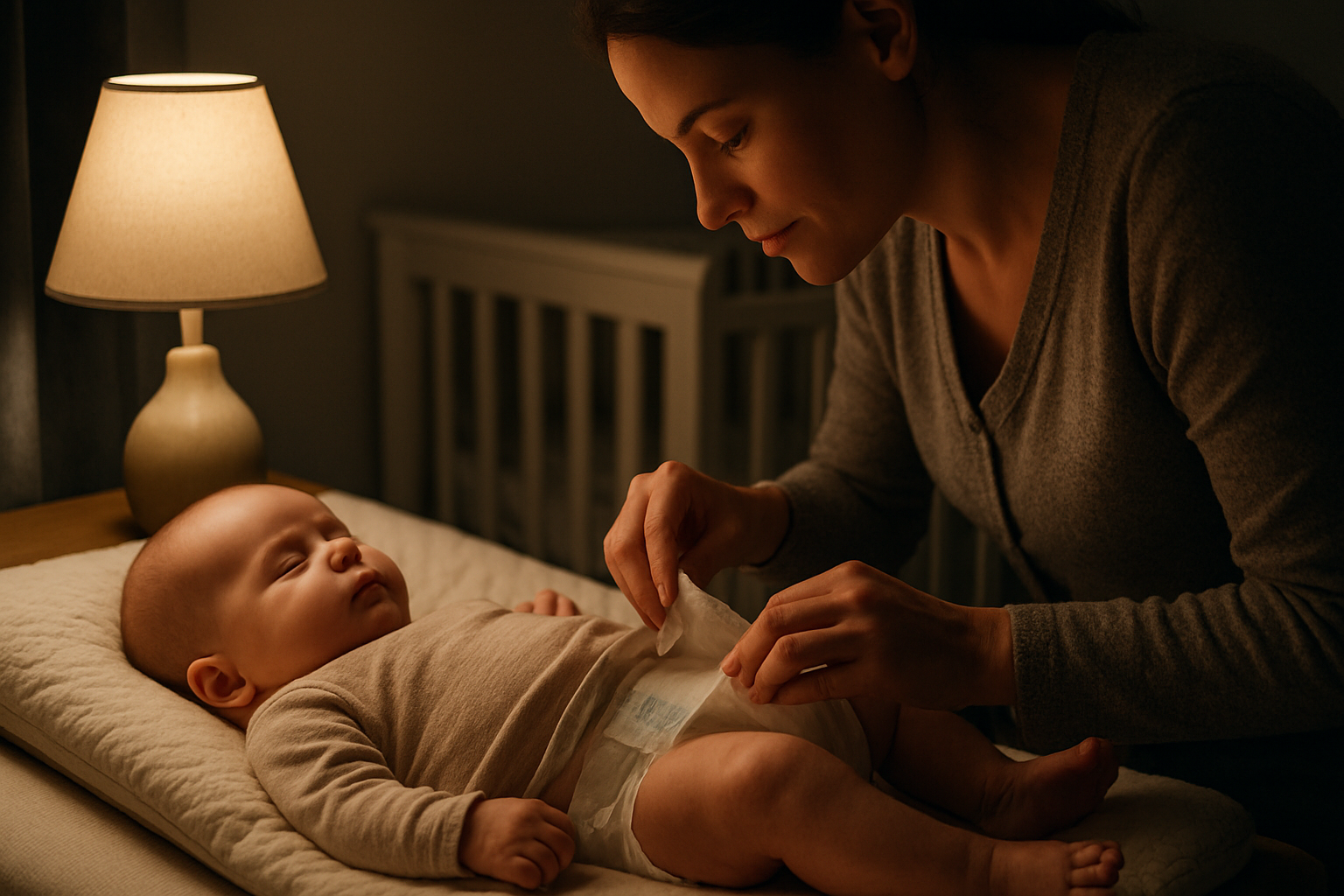
Understanding the Nocturnal Diaper Change Paradigm
Nighttime diaper changes represent one of the most challenging aspects of early parenthood, disrupting the delicate circadian rhythms that both infants and caregivers desperately need. The physiological imperative to maintain hygiene while preserving sleep architecture creates a complex balancing act. New mothers in Qatar often find themselves navigating this challenge while adjusting to their postpartum recovery needs.
The somnolent state of newborns during nocturnal hours makes diaper changes particularly nuanced. Unlike daytime changes that can incorporate playful interaction, nighttime modifications require a more strategic approach. The goal transcends mere hygiene maintenance—it encompasses preserving the infant's sleep continuity while ensuring comfort and preventing diaper rash or skin irritation.
Understanding your baby's sleep cycles becomes paramount in this endeavor. Infants typically experience shorter REM cycles than adults, with periods of lighter sleep occurring every 50-60 minutes. Recognizing these natural awakening windows can help parents time necessary changes more effectively, reducing the likelihood of fully rousing a peacefully sleeping child.
Essential Preparations for Seamless Night Changes
Optimizing Your Nursery Environment
Creating an ambient environment conducive to minimal disruption forms the foundation of successful nighttime diaper change tips. Illumination plays a crucial role—harsh overhead lighting can trigger cortisol production and fully awaken your infant. Consider investing in a red-spectrum night light or dimmer switch that provides sufficient visibility without compromising melatonin production.
Temperature regulation becomes equally important during these vulnerable moments. Qatar's climate necessitates particular attention to nursery cooling, as babies can become uncomfortable quickly when exposed during changes. Maintain your changing area at approximately 22-24°C to prevent thermal shock that could lead to extended crying episodes.
The strategic placement of supplies eliminates fumbling in darkness. Position fresh diapers, wipes, and barrier creams within arm's reach of your changing station. Many experienced mothers create dedicated nighttime caddies containing all essentials, reducing movement and potential noise generation.
Selecting Appropriate Nighttime Diaper Technology
Modern diaper technology offers specialized overnight solutions designed for extended wear periods. These enhanced absorption capabilities often eliminate the need for middle-of-the-night changes unless soiling occurs. Super-absorbent polymers and multi-layer core constructions can handle increased urine output without compromising skin dryness.
"The right overnight diaper can transform your family's sleep quality, allowing babies to remain comfortable for 10-12 hours while parents enjoy uninterrupted rest."
Consider sizing up for nighttime use—a slightly larger diaper provides additional capacity and reduces the likelihood of leakage. This prophylactic approach proves particularly beneficial for heavy wetters or during growth spurts when fluid intake increases.
Mastering the Art of Minimal Disturbance
The Stealth Approach Methodology
Implementing a systematic approach minimizes both duration and stimulation during nocturnal changes. Begin by assessing the urgency—wet diapers in modern, high-quality products may not require immediate attention unless skin sensitivity exists. Soiled diapers, however, demand prompt attention to prevent skin breakdown and discomfort.
When change becomes necessary, employ the "minimal handling" technique. Avoid unnecessary lifting, talking, or eye contact that might trigger full awakening. Move deliberately but gently, supporting your baby's natural body position throughout the process.
The unfastening sequence should follow a specific pattern: release one tab at a time, allowing gradual exposure rather than sudden unveiling. This graduated approach reduces startle responses and maintains thermal comfort longer.
Advanced Positioning Strategies
Side-lying changes offer an alternative to traditional supine positioning, particularly beneficial for babies who become alert when placed on their backs. This technique requires practice but can significantly reduce awakening incidents. Support your baby's hip and shoulder while gently rolling them to access the diaper area.
For particularly sensitive sleepers, consider the "partial change" method where only the front portion requires modification. Carefully slide the fresh diaper underneath while the soiled one remains partially attached, then complete the transition in one smooth motion.
| Change Technique | Best For | Success Rate |
|---|---|---|
| Traditional Supine | Heavy sleepers | 70% |
| Side-lying Method | Light sleepers | 85% |
| Partial Change | Sensitive babies | 90% |
Troubleshooting Common Nocturnal Challenges
Managing the Fully Awakened Baby
Despite meticulous preparation, complete awakening sometimes occurs. When this happens, resist the urge to rush through the remaining process. Instead, maintain calm, measured movements while providing gentle reassurance through soft humming or rhythmic patting.
Avoid stimulating activities that signal playtime—maintain minimal lighting, speak in whispered tones if necessary, and focus on creating a boring, unstimulating environment. The goal involves completing necessary care while subtly communicating that sleep time continues.
If your baby becomes inconsolable, complete the diaper change efficiently, then employ your preferred soothing technique. Some infants respond well to gentle rocking, while others prefer stationary cuddling until drowsiness returns.
Addressing Frequent Night Waking for Changes
Babies who consistently require multiple nighttime changes may benefit from dietary or scheduling adjustments. For breastfeeding mothers, monitoring fluid intake timing can influence overnight output patterns. Consider slightly reducing pre-bedtime feeding volume while ensuring adequate daily nutrition.
Gastrointestinal maturation affects elimination patterns significantly during the first few months. Newborns may soil frequently due to the gastrocolic reflex, which diminishes as digestive systems mature. Understanding these developmental phases helps set realistic expectations.
Product Optimization for Qatar's Climate
Addressing Humidity and Heat Considerations
Qatar's unique environmental conditions require specific adaptations for nighttime diaper management. High humidity levels can affect diaper breathability, potentially increasing skin irritation risks. Choose diapers with enhanced ventilation features and moisture-wicking capabilities designed for tropical climates.
Air conditioning usage, while necessary for comfort, can create dry skin conditions that make babies more susceptible to chafing. Incorporate gentle, fragrance-free moisturizers into your nighttime routine, applying them during changes to maintain skin barrier integrity.
Diaper rash prevention becomes particularly crucial in humid environments where bacterial growth accelerates. Zinc oxide-based barrier creams provide excellent protection, but apply them judiciously to avoid interference with diaper absorption capabilities.
Long-term Sleep Training Integration
Nighttime diaper change tips should align with your broader sleep training philosophy and goals. If implementing scheduled awakening methods, coordinate diaper checks with natural feeding windows to minimize total disruptions.
As babies mature and begin sleeping for longer stretches, gradually reduce unnecessary changes. Most infants can comfortably wear high-quality overnight diapers for extended periods without health risks, provided proper sizing and application occur.
The transition toward elimination communication or eventual potty training begins with recognizing your baby's natural elimination patterns. Observant parents often notice timing consistencies that can inform future scheduling decisions.
Frequently Asked Questions
How often should I change my baby's diaper during the night?
Change frequency depends on your baby's age, diet, and diaper quality. Newborns may require 2-3 changes nightly, while older infants using premium overnight diapers might need only one change or none at all if no soiling occurs.
Is it safe to let my baby sleep in a wet diaper?
Modern diapers with advanced absorption technology can safely contain wetness for several hours without causing skin problems in most babies. However, soiled diapers should always be changed promptly to prevent bacterial growth and skin irritation.
What should I do if my baby has sensitive skin?
Babies with sensitive skin may require more frequent changes and hypoallergenic products. Use fragrance-free wipes, apply barrier creams preventively, and consider switching to organic or sensitive-formula diapers designed for delicate skin.
When can I stop nighttime diaper changes completely?
Most babies can sleep through the night without diaper changes by 3-4 months old when using appropriate overnight products. However, individual variations exist, and some children may require occasional changes until toilet training begins.
- Always have backup supplies readily available
- Practice changing techniques during daytime hours
- Maintain consistent bedtime routines to promote deeper sleep
- Monitor diaper fit regularly as babies grow rapidly
- Consider your baby's individual sleep patterns and sensitivities
Implementing these comprehensive nighttime diaper change tips will help establish peaceful sleep patterns for your entire family. Remember that every baby develops differently, and what works for one child may require modification for another. Patience, consistency, and gentle adaptations will ultimately lead to more restful nights for everyone involved.